
Why There Is No UT Gardens Murder Site Marker: Knoxville Case Facts and Memorial Policies

 Investigation & Evidence
The UT Gardens in Knoxville serve as an educational botanical center rather than a site for violent crime markers.
- The University of Tennessee Gardens has no marker commemorating the 1995 murder of Colleen Slemmer.
- The university avoids crime plaques to prevent morbid tourism, respect victim dignity, and protect educational grounds.
- Christa Gail Pike was sentenced to death in 1996 and remains on Tennessee death row after execution reprieves.
The university avoids placing markers at crime scenes to prevent morbid tourism, deter vandalism, and respect the dignity of victims. This policy preserves the botanical space for agricultural research, education, and community recreation.
Was this useful? Share your thoughts in the comments
 Hot right now
Christa Pike Execution Survived: Why the Electric Chair Is Now Under Debate
Visitors searching for a formal ut gardens knoxville murder site marker will not find a designated crime plaque anywhere along the walking paths or plant collections. Public botanical facilities and academic institutions routinely avoid marking exact crime locations with physical signs, choosing instead to protect public recreation areas from morbid tourism while preserving spaces for education and horticulture.
The persistent search for a physical sign stems from widespread public interest in one of Tennessee’s most notorious criminal cases. In 1995, Job Corps student Colleen Slemmer was killed on the agricultural grounds of the University of Tennessee by fellow student Christa Gail Pike. While true crime enthusiasts frequently expect historical markers at such locations, the university never installed a crime scene plaque on the botanical property.
Campus Memorial Protocols vs. True Crime Curiosities

Public institutions face complex challenges when managing locations tied to high-profile criminal cases. Installing a permanent marker at a violent crime scene often risks commercializing tragedy or drawing disruptive visitors to active educational facilities.
Institutional memorial policies prioritize the dignity of victims and the peaceful mission of public facilities over erecting plaques at violent crime locations.
Rather than labeling tragedy on educational walking paths, academic campuses separate official botanical collections from criminal histories. The grounds of the University of Tennessee Gardens remain focused on agricultural research, Master Gardener programs, and community wellness.
The Myth of the Official Crime Plaque
A widespread misconception suggests that historical commissions or municipal boards install markers at famous crime scenes across the United States. In reality, state historical markers require rigorous approval processes that emphasize historic milestones, architectural significance, or broad cultural contributions rather than localized acts of homicide.
- Educational Integrity: State botanical gardens are designed for horticultural conservation and plant research.
- Victim Dignity: Permanent crime markers frequently trigger painful reminders for surviving family members and local communities.
- Site Vandalism Prevention: Marking exact crime footprints often invites defacement, souvenir hunting, and unwanted trespassing.
The Legal Aftermath of the Christa Pike Case
The events tied to the university grounds resulted in landmark legal proceedings across the state of Tennessee. Christa Gail Pike received a death sentence in 1996, becoming the youngest woman on Tennessee’s death row. Legal proceedings spanning several decades kept the case in state and national headlines.
Recent state legal records highlight extraordinary developments in Pike’s capital case. Legal scholars note that Pike stands as one of only two individuals to survive a full execution process, prompting court reprieves that directly affected other Tennessee death row inmates, including Gary Sutton.
| Feature | Institutional and Legal Reality |
|---|---|
| Site Memorial Marker | No physical murder marker exists on the botanical garden grounds |
| Primary Property Purpose | University agricultural research, horticultural education, and public recreation |
| Legal Inmate Status | Christa Gail Pike remains on Tennessee death row following historic execution stays |
| State Legal Precedent | Unprecedented execution survival prompted multi-year reprieves in Tennessee capital cases |
How Visitors Should Navigate the UT Gardens Grounds
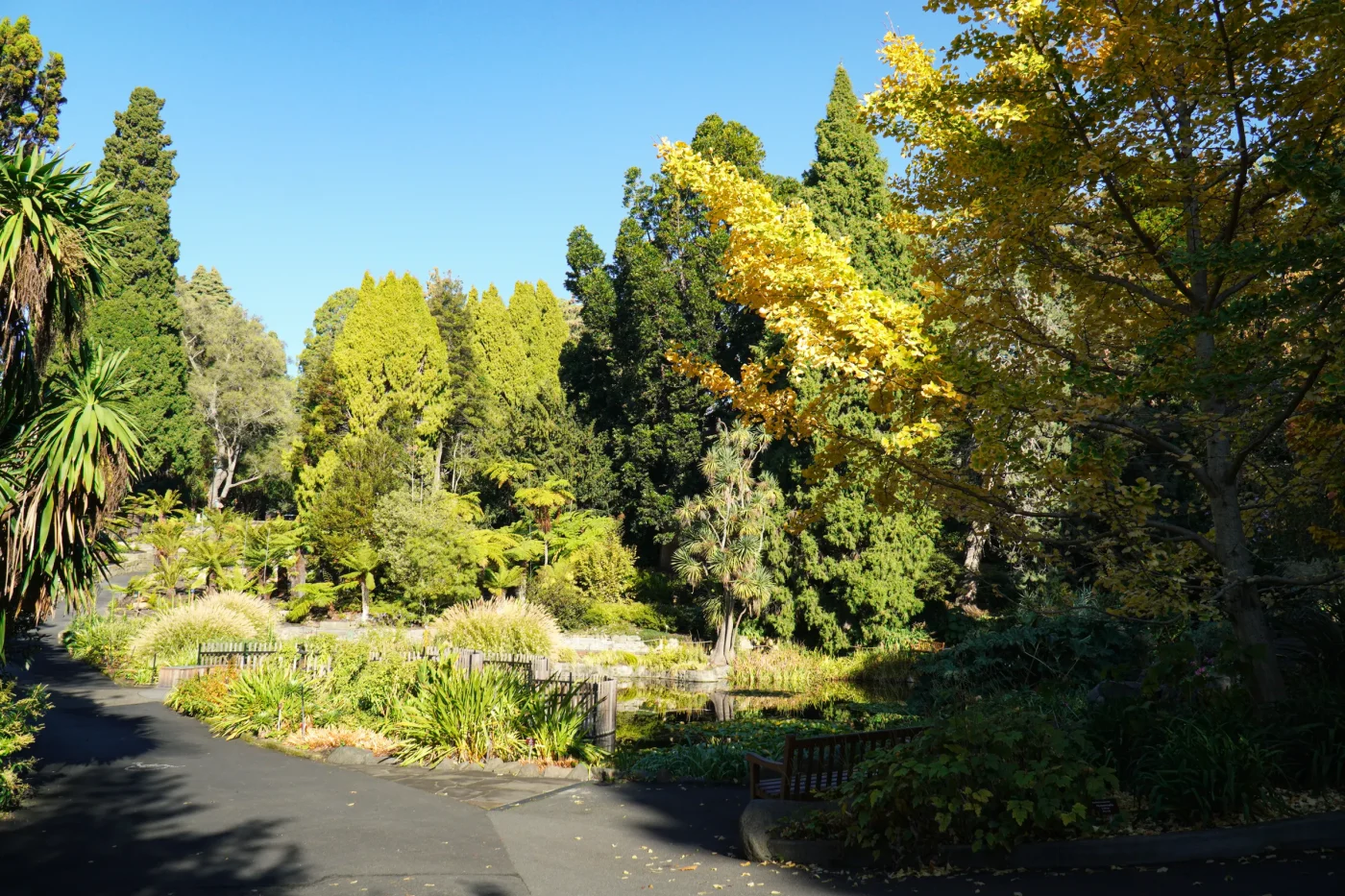
Those visiting the horticultural grounds should observe standard public garden etiquette. The facility serves thousands of local families, botany students, and community members each year.
- Respect the Flora: Stay on designated walking trails to safeguard research beds and seasonal displays.
- Acknowledge Institutional Guidelines: Understand that the area functions strictly as a research arboretum and public teaching garden.
- Prioritize Solemnity: Keep inquiries sensitive to the reality of the community and the families affected by historic tragedies.
💡 Leave your thoughts in the comments below on how public universities should balance historical awareness with respectful public spaces.
🔍 Share your experiences with us if you have visited Knoxville’s educational gardens or followed Tennessee’s capital punishment proceedings.
📌 Follow our coverage for verified updates on legal history, justice system precedents, and regional landmarks.