
Christa Pike Case Under Renewed Scrutiny After Botched Execution Centers Attention on 1995 Colleen Slemmer Murder

 Investigation & Evidence
Legal documentation and forensic records continue to define the decades-long capital murder case in Tennessee.
- Christa Pike survived a botched lethal injection in Tennessee after two doses of pentobarbital failed to cause death.
- Pike suffered severe chemical burns, blistering, and required intubation and critical care support following the attempt.
- Defense lawyers are petitioning Governor Bill Lee to commute Pike's death sentence to life without parole.
Her attorneys argue that subjecting her to a second execution attempt violates foundational legal standards after she survived a botched lethal injection. They are petitioning Governor Bill Lee to commute her death sentence to life imprisonment without the possibility of parole.
Was this useful? Share your thoughts in the comments
 Hot right now
Christa Pike Execution Survived: Why the Electric Chair Is Now Under Debate
The forensic record of the 1995 beating and stabbing murder of Colleen Slemmer has returned to the forefront of American capital jurisprudence after death row inmate Christa Pike survived two administrations of lethal pentobarbital during a failed execution attempt in Tennessee. The lethal chemical failed to cause death, leaving the 50-year-old inmate hospitalized with severe burns and blistering across her arms before she gradually regained consciousness.
The traumatic medical aftermath and subsequent push by defense counsel to commute her sentence to life without parole have reopened intense scrutiny surrounding the physical evidence that originally secured Pike’s conviction. Slemmer, remembered by loved ones as a nurturing student with a passionate gift for computers, suffered catastrophic trauma that made the crime scene and medical examination central to the trial.
As state officials and defense attorneys clash over whether another lethal injection can constitutionally occur, the evidentiary findings documented in the official case record remain the foundation of Tennessee’s decades-long death penalty case.
The 1995 Crime and Forensic Evidence in Colleen Slemmer’s Death
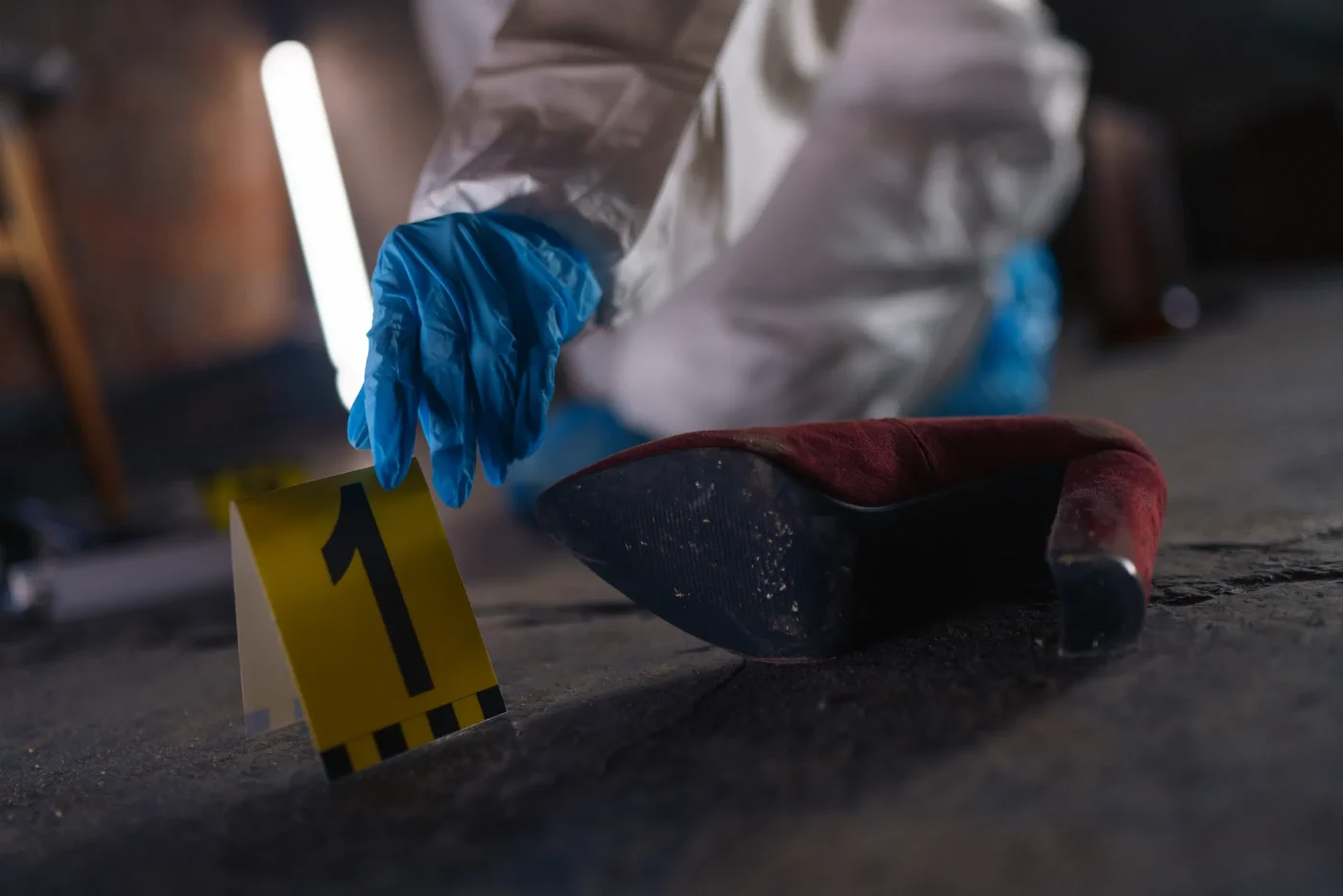
The capital conviction against Pike rests heavily on the severe physical trauma inflicted upon fellow student Colleen Slemmer in 1995. Official trial records detail an extensive sequence of violent blunt-force trauma and sharp-force injuries that forensic examiners cataloged to reconstruct Slemmer’s final moments.
Pathological analysis revealed that Slemmer sustained catastrophic head trauma alongside repeated stab wounds during the prolonged assault. Investigators determined that Pike did not act alone in carrying out the homicide, coordinating with accomplices to isolate the victim before executing the lethal attack.
The severity of the trauma documented during the post-mortem examination proved decisive during criminal proceedings. Medical testimony establishing the conscious suffering of the victim provided the prosecution with the legal basis required to secure a capital sentence against Pike, who became the youngest woman ever placed on death row in Tennessee.
Myth vs. Fact: Capital Evidence and Modern Legal Challenges
Popular retellings of historical capital cases frequently obscure how physical pathology intersects with modern constitutional appeals.
- Myth: Physical homicide evidence becomes legally irrelevant once an inmate exhausts primary trial appeals.
- Fact: The original forensic findings remain permanently tied to the case, serving as the legal baseline against which courts weigh aggravating factors against constitutional claims of cruel and unusual punishment.
- Myth: Lethal injection procedures automatically follow a standard, painless pharmacological timeline.
- Fact: Chemical protocols can fail catastrophically, as demonstrated by the administration of pentobarbital that left Pike hospitalized under assisted ventilation rather than deceased.
Botched Lethal Injection and the Shift in Legal Strategy
The procedural failure during Pike’s scheduled execution has shifted legal attention from historic evidence to unprecedented medical and constitutional arguments. Defense attorneys confirmed that Pike required intubation and critical care support after the protocol failed to terminate her life.
“While her recovery has been remarkable, significant questions remain about the long-term effects of what she endured.”
Her defense team has publicly petitioned Republican Governor Bill Lee to commute her sentence to life imprisonment without the possibility of parole, arguing that subjecting an inmate to a second execution attempt violates foundational legal standards.
“She should never be subjected to another execution attempt,” the statement read.
While the state evaluates its next legal maneuvers, defense representatives emphasize that Pike continues to experience physical instability, memory difficulties, and deep psychological trauma directly caused by the chemical trauma.
| Legal & Medical Factor | Documented Case Details |
|---|---|
| Victim Homicide Details | Stabbing and blunt-force beating death of Colleen Slemmer in 1995 |
| Execution Protocol Agent | Two administered doses of pentobarbital |
| Inmate Medical Complications | Severe arm blistering, temporary ventilation, memory and concentration impairments |
| Current Defense Objective | Executive clemency and sentence commutation by Governor Bill Lee |
Key Steps in Evaluating Homicide Evidence During Capital Clemency

When legal teams petition state executives for clemency following traumatic procedural events, review boards follow a rigorous analytical framework to weigh the petition against historical evidence.
- Review of Primary Medical Examiner Records: Officials re-evaluate the documented trauma to ensure that the initial severity findings remain legally accurate and unchallenged.
- Analysis of Institutional Complicity: Reviewers assess whether accomplices received disparate sentences relative to the primary offender’s documented actions.
- Evaluation of Constitutional Harm: Legal bodies examine hospital records, burn injuries, and pulmonary data resulting from failed state execution attempts.
- Executive Discretion Review: The sitting governor analyzes whether granting life without parole maintains justice while preventing further catastrophic execution attempts.
💡 The intersection of historic forensic evidence and unprecedented execution protocol failures continues to generate heated debate across the American legal system.
🔍 What are your thoughts on whether survived executions should lead to automatic sentence commutation?
📌 Follow our ongoing coverage of high-profile legal rulings, capital cases, and forensic science updates.
👇 Leave your perspective in the comments below to participate in the conversation.