
Christa Pike Survives Botched Tennessee Execution After Two Doses of Pentobarbital

 Investigation & Evidence
Legal challenges intensify following an unprecedented lethal injection failure at Riverbend Maximum Security Institution.
AI-generated summary. Quality and accuracy may vary.
The image shows Riverbend Maximum Security Institution in Tennessee, the facility where Christa Pike was subjected to lethal injection. The exterior of the maximum-security prison is visible, marking the location where capital punishment procedures were halted following the execution attempt.
- Christa Pike survived an execution attempt after two doses of pentobarbital failed to end her life at a Tennessee prison.
- Personnel inserted at least seven needles into Pike's limbs over two hours before she was taken to a hospital.
- Tennessee Governor Bill Lee suspended all executions for the remainder of the year following the procedural failure.
Prison staff administered two full doses of pentobarbital over two hours, but neither dose stopped her heart. Pike was taken to a hospital with severe vein trauma, where she later regained consciousness and began speaking.
Was this useful? Share your thoughts in the comments
 Hot right now
Donald Kohut’s Foiled Plot to Break Christa Pike Off Death Row Resurfaces After Botched Execution
Hot right now
Donald Kohut’s Foiled Plot to Break Christa Pike Off Death Row Resurfaces After Botched Execution
Tennessee death row inmate Christa Pike survived a completed execution attempt after prison personnel administered two separate doses of pentobarbital that failed to end her life at the Riverbend Maximum Security Institution. The 50-year-old inmate was rushed from the execution chamber to a Nashville hospital critically ill, unconscious, and suffering from catastrophic vein trauma after staff spent more than two hours attempting to carry out the lethal injection.
Her defense attorneys initially feared she was brain dead and prepared for the removal of life support. Instead, Pike regained consciousness, began speaking, and immediately expressed disorientation about her surroundings, asking where she was while shackled to her hospital bed. The unprecedented event has halted all capital punishment procedures across Tennessee and triggered an urgent legal battle over evidence preservation.
This survival marks the first documented instance in the United States of an inmate surviving a completed lethal injection procedure, forcing state courts to examine both the physical trauma of the procedure and the decades-long evidentiary record that brought her to the chamber.
The Evidentiary Foundation: Recorded Admissions and the 1995 Conviction
The path that led Pike to the death chamber originated in Knox County, Tennessee, where she was convicted of first-degree murder for the 1995 killing of 19-year-old Job Corps classmate Colleen Slemmer. Pike, who was 18 years old at the time of the crime, became the youngest woman sentenced to death in the United States after a trial centered on graphic admissions and physical evidence.
In high-stakes capital litigation, an official confession transcript functions as the cornerstone of the state’s case. Timeless legal principles establish that when a suspect waives their constitutional rights and provides a detailed audio or stenographic account of violent acts, prosecutors rely on those recorded statements to establish premeditation and aggravating circumstances. Pike’s statements detailed brutal acts of torture, eliminating claims of self-defense and securing a death sentence that survived decades of post-conviction appeals.
While appellate teams spent years challenging her mental capacity and the reliability of early statements, the original trial record remained unyielding. That legal permanence set the stage for an execution date that ended in medical failure rather than finality.
Inside the Two-Hour Chamber Ordeal at Riverbend
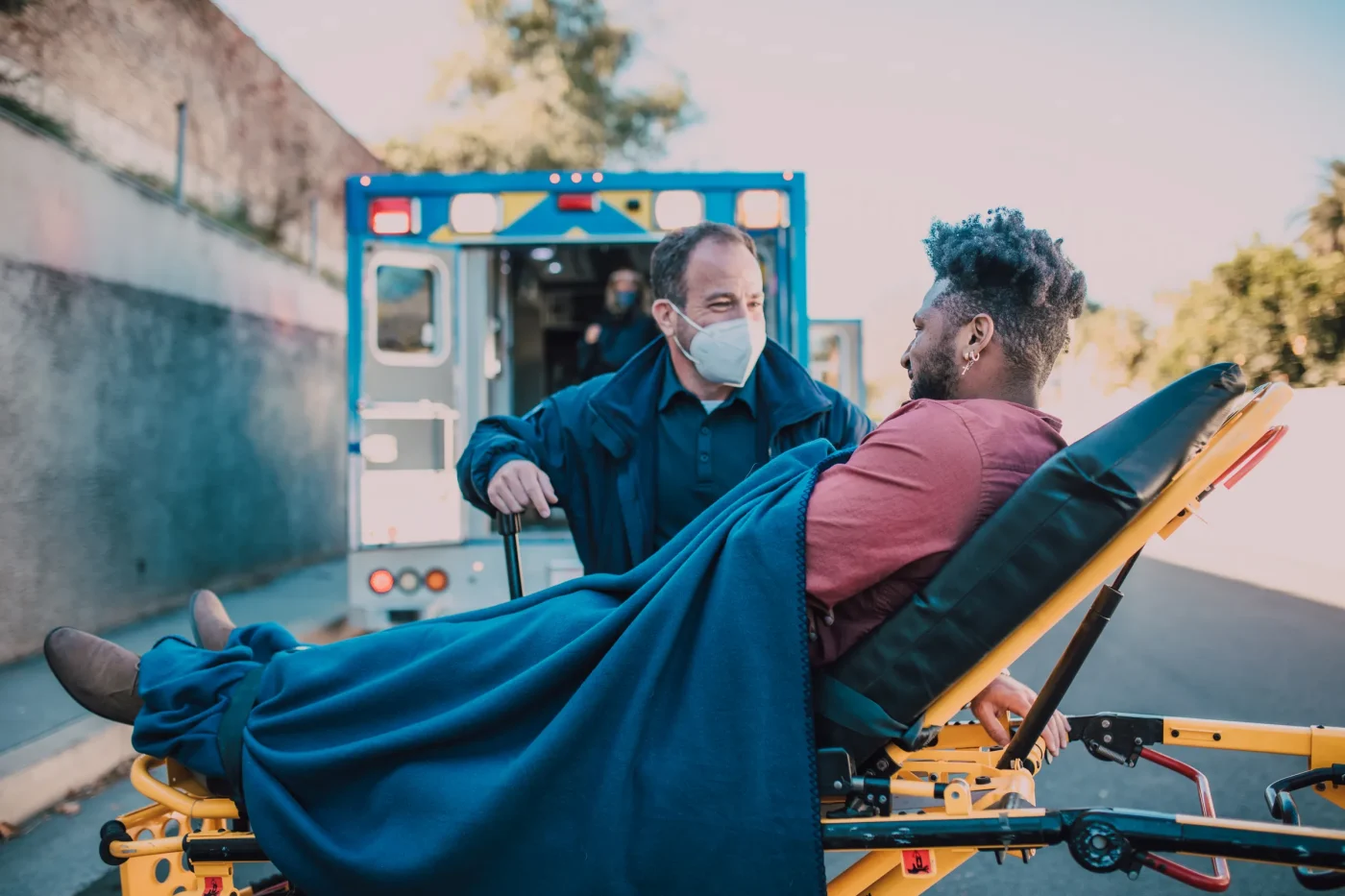
Pike had previously voiced severe apprehension about the execution protocol, warning that her small veins and underlying medical issues made standard intravenous access hazardous. At her request, prison authorities assigned an all-female execution team to administer the lethal dose. The process quickly devolved into an agonizing struggle that extended past two hours.
Personnel inserted at least seven needles into Pike’s limbs while trying to secure viable venous access. One needle bent 90 degrees during the process before being pulled out. Despite repeated line failures, the team pushed two full doses of the caustic barbiturate pentobarbital into her bloodstream, yet neither lethal dose stopped her heart.
“This case is unique, to say the least.”
Chancery Court Judge I’Ashea Myles highlighted the extraordinary nature of the case during emergency proceedings in Nashville. The procedural breakdown mirrored systemic issues previously documented in state execution chambers, bringing renewed scrutiny to lethal injection execution techniques.
Critical Health Complications and Court Battles Over Evidence
Following her unexpected awakening in the hospital, Pike’s medical status remains precarious. Her legal counsel confirmed that she faces severe physical deficits stemming directly from the chemical injection and excessive needle insertions.
“She has a blood clot in one of her arms. She has pneumonia. She is not able to swallow yet, so she has not eaten. She cannot move either of her arms. Both of her arms and hands are tremendously swollen, and we do not know what, if any, function she will regain in her arms. But we do know that there is a long road ahead.”
Attorney Randall Spivey told reporters that Pike remains alert enough to understand the gravity of the event. She has asked about the victim’s family and expressed bewilderment at surviving the state’s lethal injection. In response to the crisis, Judge Myles granted defense motions ordering the Tennessee Department of Correction to preserve all critical physical evidence from the chamber, including syringes, drug packaging, lot numbers, catheters, intravenous lines, gurney restraints, and internal encrypted communications.
Lethal Injection Realities: Popular Assumptions vs. Documented Evidence
Public perceptions often treat lethal injection as a swift, clinical procedure akin to standard medical anesthesia. In reality, modern execution protocols face immense pharmacological and technical vulnerabilities.
- Myth: Lethal injection drugs guarantee rapid, painless unconsciousness within seconds of administration.
- Fact: Pentobarbital is a caustic agent that can cause extreme tissue damage, severe swelling, and prolonged trauma when IV lines fail.
- Myth: Execution teams operate with the precision and licensing of standard hospital medical staff.
- Fact: Corrections personnel frequently encounter catastrophic vein collapse, requiring multiple needle insertions and bent equipment under chamber pressure.
- Myth: Surviving a completed lethal injection procedure is legally impossible once chemicals enter the bloodstream.
- Fact: Pike survived two distinct chemical doses, creating an unprecedented constitutional debate over cruel and unusual punishment.
| Legal & Medical Factor | Documented Case Detail |
|---|---|
| Primary Offense | 1995 murder of 19-year-old Colleen Slemmer |
| Execution Facility | Riverbend Maximum Security Institution |
| Chemical Administered | Caustic barbiturate pentobarbital (two full doses) |
| Chamber Duration | Exceeded two hours with at least seven needle sticks |
| Current Medical Status | Pneumonia, arm blood clot, lack of mobility, inability to swallow |
| Executive Action | Governor Bill Lee suspended Tennessee executions for the year |
Compounded Pharmaceuticals and the Execution Freeze
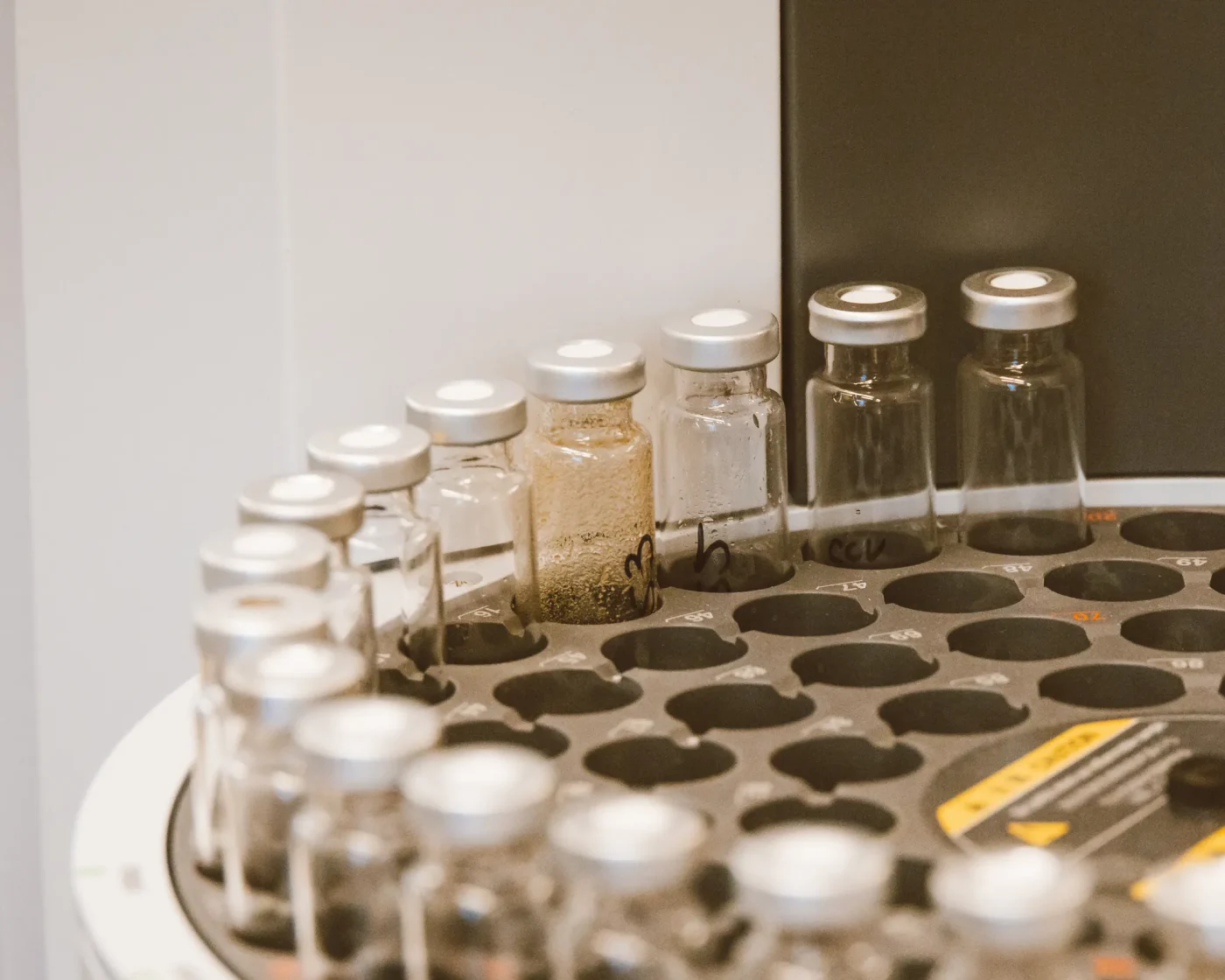
Major pharmaceutical manufacturers refuse to sell execution drugs to prison systems due to international export bans prohibiting products used in torture or capital punishment. Consequently, correctional facilities across the United States rely on small, largely unregulated compounding pharmacies to produce small batches of pentobarbital under non-disclosure agreements.
The chemical integrity of these compounded drugs has faced relentless legal opposition. Pike’s defense team has petitioned to obtain residual chemical traces from the chamber syringes to conduct independent laboratory testing, aiming to uncover why two fatal doses failed to take effect.
Tennessee Governor Bill Lee halted all scheduled executions for the remainder of the calendar year to allow comprehensive investigations into the system’s operational failures. The order addresses both Pike’s ordeal and the prior failure involving inmate Tony Carruthers, whose execution was aborted when technicians could not establish intravenous lines. While neighboring Texas moved forward by executing Jamaal Howard—the 30th person executed nationwide this year—Tennessee now confronts a constitutional stalemate with an inmate who lived through her own death sentence.
💡 The constitutional debate over whether Tennessee can legally attempt a second execution will test the boundaries of cruel and unusual punishment.
🔍 Legal scholars expect Pike’s defense team to petition the state’s governor to permanently commute her death sentence to life imprisonment.
📌 Follow court filings closely as tests on the preserved pentobarbital vials reveal key details about compounded execution drugs.
👇 Leave your thoughts in the comments below on how courts should handle execution survival cases.