
What Did Christa Pike Say in Confession? The Brutal Admissions Behind Tennessee’s Death Row Case

 Investigation & Evidence
Confession records outline the brutal 1995 crime in Knoxville that sent Christa Pike to Tennessee's death row.
- Christa Pike confessed to the premeditated 1995 murder and torture of Colleen Slemmer in Knoxville, Tennessee.
- Pike admitted to attacking Slemmer with weapons and keeping a piece of the victim's skull as a morbid trophy.
- Pike recently survived a botched lethal injection execution that resulted in severe chemical burns and hospitalization.
Pike confessed to planning the attack, luring Slemmer to an isolated site, and inflicting fatal injuries with weapons and paving stones. She also admitted to keeping a skull fragment as a trophy and stated the murder was driven by jealousy.
Was this useful? Share your thoughts in the comments
 Hot right now
Christa Pike Execution Survived: Why the Electric Chair Is Now Under Debate
The Christa Pike confession remains one of the most chilling records in American criminal history, directly detailing how she and her accomplices lured 19-year-old Colleen Slemmer to an isolated site before subjecting her to nearly an hour of physical torture and fatal violence. Convicted in the 1995 beating and stabbing murder of Slemmer at an abandoned steam plant in Knoxville, Tennessee, Pike explicitly admitted to orchestrating the attack, confessing to investigators that the assault was premeditated and carried out alongside her then-boyfriend. These direct admissions formed the evidentiary backbone that sent Pike to death row as the only woman facing execution in Tennessee, a case that continues to command national attention as her defense fights for clemency following unprecedented procedural disruptions.
The brutal reality documented in Pike’s post-arrest statements dismantled any legal defense of accidental injury or self-defense. Her immediate statements to police laid bare the premeditation involved, leaving investigators with concrete evidence of the extended cruelty that occurred in the Knoxville woods.
The Knoxville Steam Plant: Breaking Down the Confession
When questioned by Knoxville authorities following the discovery of Colleen Slemmer’s body, Christa Pike admitted that the encounter was not an argument that spiraled out of control, but a planned confrontation. Pike acknowledged that she, her boyfriend, and an acquaintance lured Slemmer away from their Job Corps campus under false pretenses to an abandoned steam plant site on the University of Tennessee agriculture campus.
In her admissions to investigators, Pike detailed the weapons used during the prolonged assault, confirming that Slemmer was repeatedly beaten, slashed, and cut with a box cutter and a miniature meat cleaver. Pike also confessed to delivering the fatal blunt force injuries using large asphalt chunks and paving stones, confirming her direct role in the deadly trauma inflicted on the victim.
I’d been with the police department a long time and seen my share of homicides and traffic fatalities, but just the brutality of this incident is branded in my brain. What I’ve told every interview I’ve provided is this 19-year-old, passive individual was tortured for almost an hour, maybe longer.
Pike further confessed to taking a fragment of Slemmer’s skull from the crime scene, which she kept as a morbid trophy and displayed to classmates back at the dormitory. This gruesome admission cemented the prosecution’s argument regarding premeditation and depravity during her capital trial.
The Motive and Confessed Intent
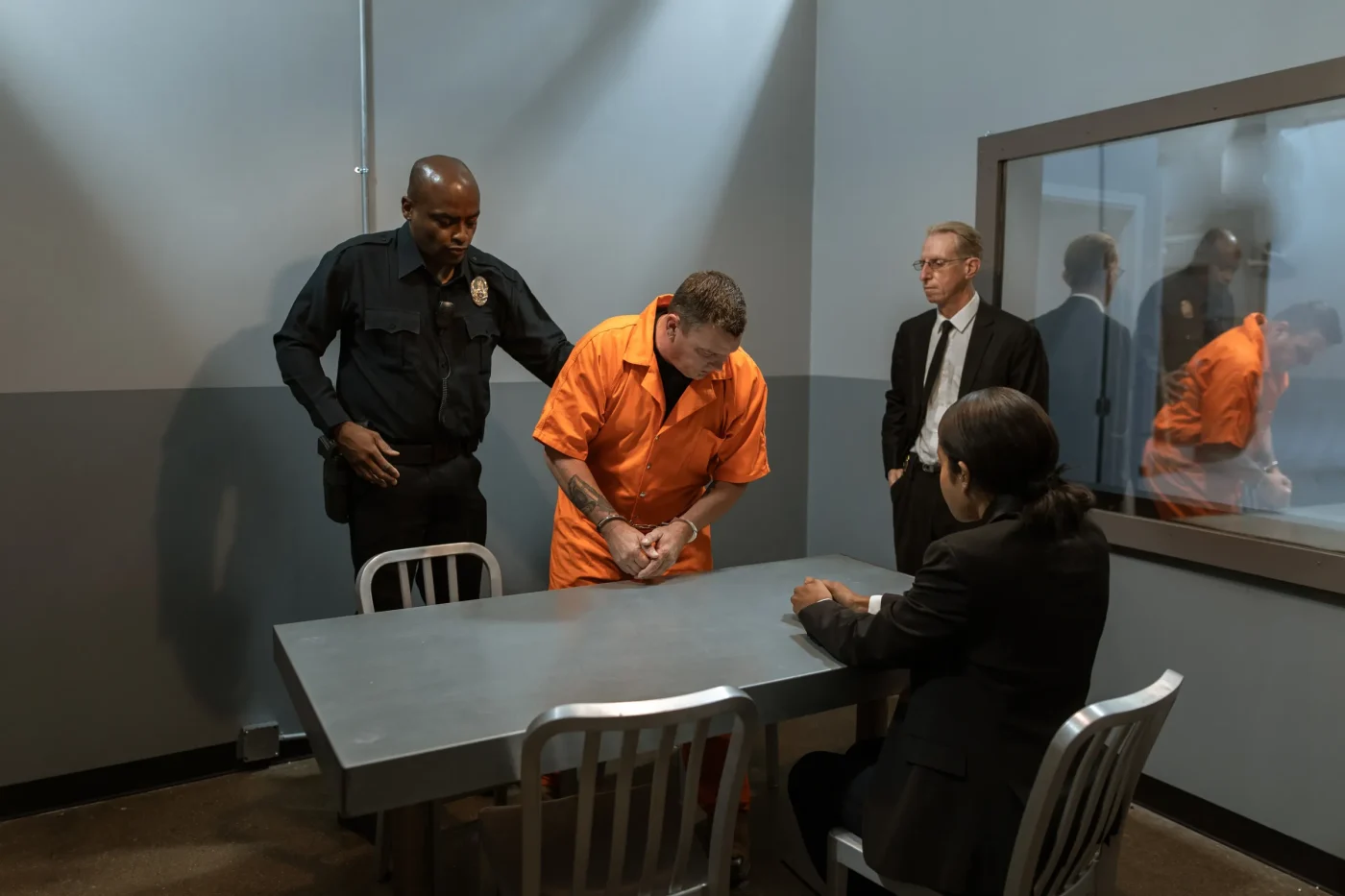
During police questioning, investigators sought to understand the catalyst behind the extreme violence. Pike confessed that intense jealousy drove the crime, stating she believed Slemmer was attempting to pursue a romantic relationship with her boyfriend. The confrontation was designed to permanently settle personal grievances among the trainees.
Her admissions made it impossible for defense attorneys to minimize her culpability during the guilt phase of the trial. While her legal team later highlighted severe childhood trauma, rapes, and psychological vulnerabilities during sentencing appeals, the initial confession established that Pike had exercised active control throughout the attack.
Myth vs. Fact: What the Confession Actually Revealed
Over the decades, multiple misconceptions have circulated regarding Christa Pike’s statements to law enforcement. Examining official case findings dispels common myths surrounding her interview with detectives:
- Myth: Pike claimed the violence was an impulsive, split-second reaction to an altercation.
- Fact: Pike admitted that weapons were brought to the scene ahead of time and that Slemmer was deliberately isolated in a secluded, dark area.
- Myth: Pike insisted she only watched while others committed the physical torture.
- Fact: The confession established that Pike actively slashed Slemmer, participated in the torture, and delivered fatal blows to the head.
- Myth: Pike immediately displayed remorse during the initial hours of custody.
- Fact: Records show Pike initially bragged about the assault and retained bone fragments before the weight of the investigation forced a full confession.
Confession Details vs. Trial Evidence
The convergence of physical forensics and Pike’s statements established an unassailable record of guilt during the 1996 capital trial, as shown in the primary comparisons below:
| Element | Documented Evidence |
|---|---|
| Primary Crime Scene | Abandoned steam plant grounds in Knoxville, Tennessee |
| Attacking Duration | Torture lasting nearly an hour or longer |
| Weapons Acknowledged | Box cutter, meat cleaver, and asphalt paving stones |
| Physical Souvenir | Retained skull fragment shown to acquaintances |
| Stated Motive | Interpersonal jealousy within the Job Corps program |
| Legal Outcome | Conviction of first-degree murder and death sentence |
Legal Aftermath and Unprecedented Execution Halt

Decades after her conviction, the legal battle over Pike’s confinement has reached high-stakes developments inside the Tennessee Department of Correction. Pike, who spent nearly 30 years in restrictive confinement, recently survived a severely botched execution at Riverbend Maximum Security Institution that drew national scrutiny.
During the lethal injection procedure, medical executioners made multiple unsuccessful attempts to establish an intravenous line, using at least seven needles. Reports confirmed that two separate doses of the lethal injection drug pentobarbital were administered without causing death, resulting in severe chemical burns, blistering, and swelling to Pike’s arms. After prison staff repeatedly closed the observation chamber curtains, Pike was transported in critical condition to a Nashville hospital, intubated and placed on a ventilator.
The failed execution triggered high-level administrative fallout across Tennessee state government. Governor Bill Lee confirmed that Department of Correction Commissioner Frank Strada submitted his resignation following the incident, citing the best interests of the state. While Pike eventually regained consciousness and began speaking with her defense team, her attorneys filed urgent motions with Tennessee Attorney General Jonathan Skrmetti, demanding that her death sentence be permanently commuted to life imprisonment without parole due to the unprecedented physical trauma she endured.
💡 What are your thoughts on how historic confessions shape capital clemency appeals?
🔍 The intersection of brutal crime admissions and modern execution controversies continues to prompt intense debate across the legal system.
👇 Leave your thoughts in the comments below and share this breakdown with others following high-profile criminal justice news.