
Where Colleen Slemmer Rests in Florida as Killer Christa Pike Survives Execution

 The Victim
Legal scrutiny intensifies across state courts decades after the tragic 1995 killing of Colleen Slemmer.
- Colleen Slemmer was buried privately in her native Florida by relatives seeking peace following her 1995 murder.
- Convicted killer Christa Pike survived a lethal injection attempt after receiving two doses of pentobarbital in Tennessee.
- Tennessee Governor Bill Lee ordered an independent review after the execution failed and the state prison chief resigned.
Executioners administered two doses of pentobarbital, but the procedure failed after mechanical problems caused drugs to pool into tissue instead of the bloodstream. Although initially believed to be brain dead, Pike regained consciousness almost six days later.
Was this useful? Share your thoughts in the comments
 Hot right now
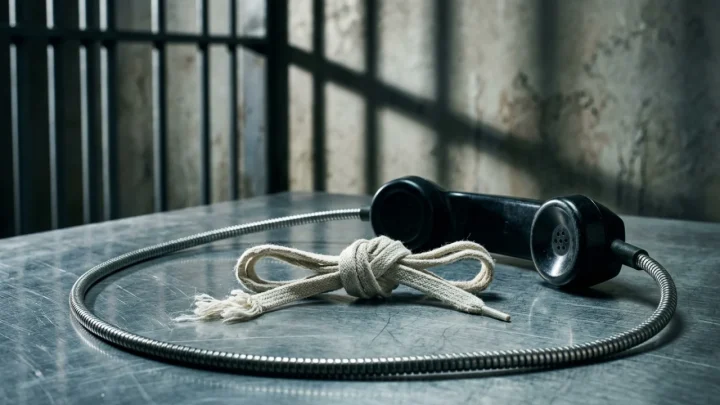
Inside the Death Row Shoestring Attack: How Christa Pike Targeted Inmate Patricia Jones
Questions regarding where was colleen slemmer buried in florida point to a solemn, private resting place in her home state, preserved by family after her 1995 death, even as national attention abruptly refocuses on her convicted killer, 50-year-old Christa Pike, who survived a lethal injection attempt. Colleen Slemmer was returned to her native Florida by grieving relatives seeking peace away from sensationalized public spectacle, creating a sacred memorial footprint that endures decades after her tragic loss.
The horrific 1995 beating and stabbing death of 19-year-old Colleen Slemmer took place in Tennessee while she was enrolled in the Job Corps program alongside Pike. Following the trial, her family chose to keep her Florida memorial quiet and protected, ensuring that her final resting place remained a private sanctuary rather than a tourist destination for true-crime followers.
That quiet remembrance was suddenly thrust back into the global spotlight after unprecedented events unfolded inside the state execution chamber in Nashville, forcing authorities to confront a historic failure in capital punishment.
The Tragic 1995 Crime and Colleen Slemmer’s Florida Memorial
Colleen Slemmer grew up in Florida before traveling out of state for vocational training, carrying aspirations that were violently cut short. After investigators uncovered the brutal conspiracy orchestrated by her classmate, Pike was sentenced to death in a verdict that dominated national headlines for years.
While court proceedings and death penalty appeals dragged through the judiciary for decades, Slemmer’s family focused their devotion on honoring her life rather than her killer’s infamy. By keeping her Florida grave secluded within family grounds and local cemetery traditions, they preserved her dignity away from morbid curiosity.
Public fascination, however, frequently blurs the line between historical victim remembrance and sensational legal developments, especially when death row litigation takes an unprecedented turn.
The Surviving Inmate: An Unprecedented Execution Failure
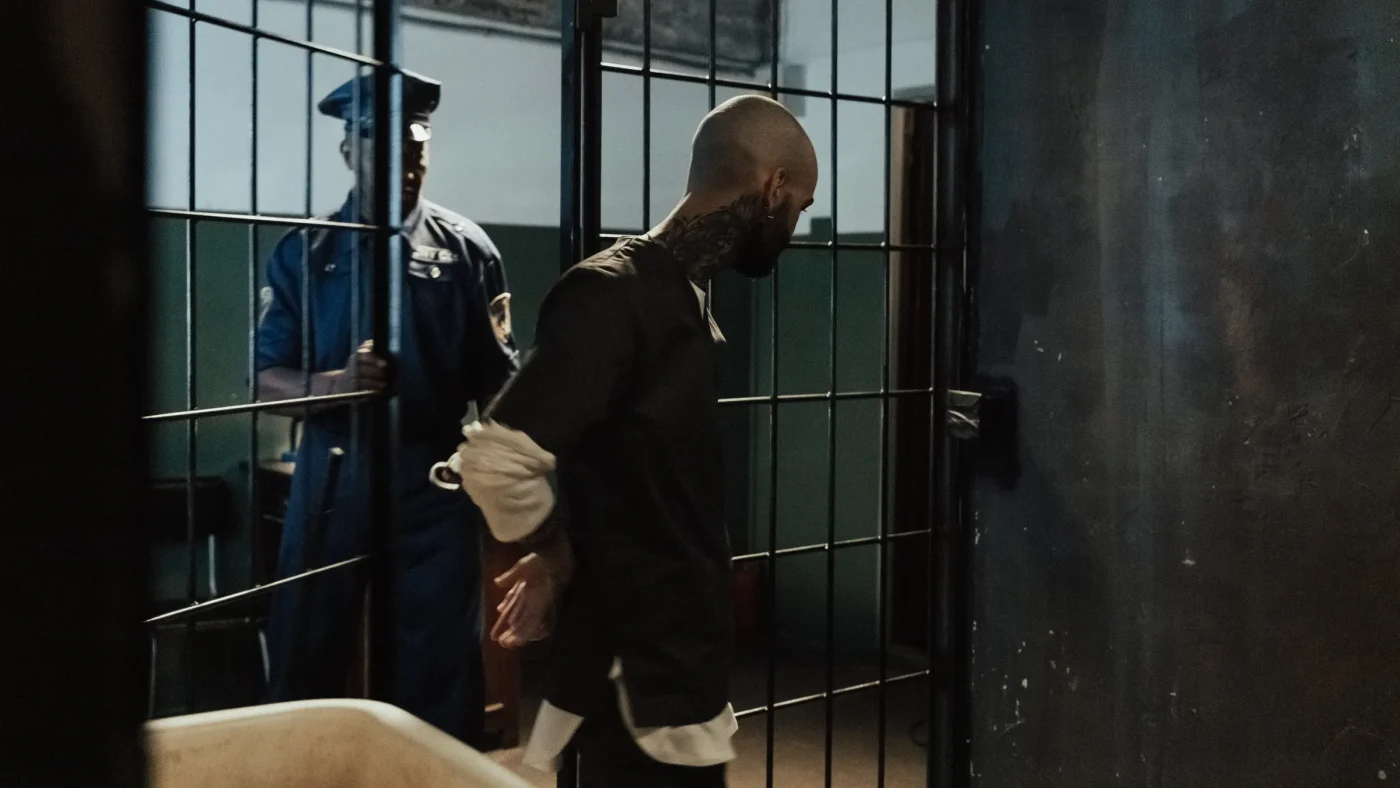
Capital punishment protocols faced historic disruption on September 30 when prison executioners administered two lethal doses of pentobarbital to Pike. Instead of a concluded sentence, the procedure failed entirely, marking a scenario virtually unknown in modern American corrections.
“She is angry and confused about everything right now. She is very aware of what they did to her up to a point,” said attorney Randy Spivey during a public briefing.
According to the Death Penalty Information Center, Pike is the only person known to survive after receiving lethal injection drugs during an active execution. Although medical personnel initially believed she was brain dead and expected life support to be withdrawn, she regained consciousness almost six days later and began speaking from her hospital bed.
Chancery Court Orders Immediate Evidence Preservation
The immediate legal fallout triggered urgent intervention from Tennessee Chancery Court Judge I’Ashea Myles, who ordered the state to preserve every physical item present in the chamber. The Tennessee Department of Correction faces severe scrutiny as federal defenders and state prosecutors clash over administrative transparency.
- Physical Materials: Drug lot numbers, used syringes, IV lines, needles, and medical delivery tools.
- Official Records: Execution logs, room audio and video recordings, and internal staff emails.
- Personnel Actions: Witness statements detailing the timeline from the final statement to emergency transport.
The state prison chief resigned in the immediate aftermath, while Republican Governor Bill Lee described the event as deeply disturbing and ordered an independent, comprehensive third-party review into prison operations.
Separating Fact from Fiction: Memorialization vs. Sensationalism
A widespread misconception among true-crime audiences is that high-profile victims like Colleen Slemmer have public monuments open for tourist visits. In reality, families of violent crime victims frequently choose unmarked or low-profile burials in Florida to protect their loved ones from vandalism and exploitative publicity.
Another common belief held that lethal injection procedures are medically infallible and immediately conclusive. The catastrophic failure in Pike’s chamber proved that mechanical problems, such as improperly placed IV lines that pool drugs into tissue instead of the bloodstream, can cause catastrophic physical trauma without completing the sentence.
The contrast between the solemn, private peace of Colleen Slemmer’s Florida resting site and the chaotic legal battle over her killer highlights the lasting human cost behind historic criminal cases.
| Case Aspect | Documented Detail |
|---|---|
| Victim | Colleen Slemmer |
| Year of Crime | 1995 |
| Convicted Individual | Christa Pike |
| Execution Chemical Used | Pentobarbital (Two Doses) |
| Judicial Oversight | Tennessee Chancery Court |
| Investigative Action | Independent Third-Party Review |
Legal Limbo and the Long Path Forward
Federal public defenders representing Pike have noted that significant burns and blistering on her arms, alongside prolonged unconsciousness, have delayed their ability to file formal lawsuits without client consent. Handcuffed to a hospital bed, her recovery timeline remains completely uncertain.
“Part of the issue that we are facing is up until yesterday, our client was unconscious, unable to communicate with counsel, unable to communicate with medical providers, and without her consent,” federal public defender Luke Ihnen told the court.
Medical specialists in anesthesiology indicate it may take weeks or months to determine whether mental and physical competency can ever be restored before the state could contemplate any future execution dates.
💡 The memory of Colleen Slemmer remains preserved in Florida through the quiet strength of those who loved her.
🔍 As legal reviews dissect how execution protocols collapsed, public attention continues to balance constitutional questions with justice for victims.
📌 Share your thoughts in the comments below on how states should handle evidence preservation following lethal injection failures.
👇 Join the discussion and share this report with others tracking ongoing developments in capital punishment law.