
Christa Pike Skull Fragment Trophy: The Chilling Evidence Behind Tennessee’s Death Row Inmate

 The Victim
Evidence seized during the 1995 homicide investigation included critical items that defined the trial of Christa Pike.
AI-generated summary. Quality and accuracy may vary.
The lead image shows death row inmate Christa Pike, who was convicted of first-degree murder in Tennessee. The visual coverage highlights the 1995 Knoxville case where a victim's skull fragment was kept as a trophy inside a jacket pocket.
- Christa Pike survived a botched lethal injection in Tennessee after receiving two doses of pentobarbital.
- Official trial records confirm Pike kept Colleen Slemmer's skull fragment in her jacket pocket rather than as a necklace.
- Defense attorneys are petitioning Tennessee Governor Bill Lee for clemency following the failed execution attempt.
No, official records confirm Pike carried the skull fragment in her jacket pocket as a trophy and showed it to associates. Officers recovered the bone from her pocket during her arrest, refuting the urban legend of a necklace.
Was this useful? Share your thoughts in the comments
 Hot right now
The Colleen Slemmer Case: How a Brutal 1995 Murder Resurfaced After a Botched Execution
Hot right now
The Colleen Slemmer Case: How a Brutal 1995 Murder Resurfaced After a Botched Execution
The notorious case involving the christa pike skull fragment necklace rumor centers on one of the most grisly physical artifacts in modern American criminal history: a piece of victim Colleen Slemmer’s crushed skull that 18-year-old Christa Pike kept as a grim souvenir inside her jacket pocket. Decades after the 1995 Knoxville murder shocked the nation, the brutal crime and its physical evidence have surged back into national headlines following Pike’s unprecedented survival of a lethal injection attempt in Tennessee.
Pike crushed her classmate’s skull using a heavy chunk of asphalt during a sustained thirty-minute assault, prying loose a fragment of bone that investigators subsequently seized upon her arrest. The sheer brutality of the act and the preservation of the bone fragment helped secure her capital sentence at age 20, making her one of the youngest women sentenced to death in the modern era.
Now, with Pike waking up in a Nashville medical center after two failed doses of pentobarbital, the horrifying physical artifacts of her 1995 trial are once again under intense scrutiny as defense attorneys mount an aggressive push for clemency.
The Knoxville Job Corps Slaying and the Bone Kept as a Souvenir
The crime unfolded on January 12, 1995, when Christa Pike, then an eighteen-year-old student at the Knoxville Job Corps, conspired with her seventeen-year-old boyfriend Tadaryl Shipp and a classmate to lure nineteen-year-old Colleen Slemmer into an isolated, wooded stretch near the University of Tennessee campus. Driven by intense jealousy over suspicions that Slemmer wanted to pursue Shipp, the group trapped the victim and launched an attack that lasted roughly half an hour.
Armed with a box cutter and a meat cleaver, the assailants slashed Slemmer hundreds of times while she pleaded for mercy, carving a pentagram into her chest before Pike delivered the fatal blow with asphalt. Rather than fleeing the scene immediately, Pike retrieved a broken piece of Slemmer’s skull from the clearing to keep for herself.
When law enforcement moved in days later, a detailed search of Pike’s jacket recovered the piece of bone that she had taken from the scene and displayed to others. The discovery dismantled any claim of accidental violence and cemented the prosecution’s case for premeditated murder.
Myth vs. Fact: Did Christa Pike Make a Skull Fragment Necklace?
Over the decades, true crime lore transformed the grim souvenir into an urban legend, with widespread accounts alleging that Pike strung the bone onto a cord and wore it as jewelry around her neck. The factual record documented in trial evidence reveals a distinct reality regarding the physical evidence recovered by investigators.
- The Popular Myth: Popular retellings frequently claim Pike fashioned a complete, wearable pendant from Slemmer’s remains and wore it around campus as a decorative trophy.
- The Verified Reality: Official trial records confirm Pike kept the skull fragment as a macabre trophy, showed it off to associates, and carried it inside her jacket pocket, where officers formally recovered it during her arrest.
- The Investigative Impact: Whether worn as jewelry or pocketed in clothing, the physical possession of human remains provided prosecutors with incontrovertible evidence of callous premeditation and trophy-taking behavior.
A common mistake in popular retellings of historical crimes is the gradual exaggeration of physical artifacts into elaborate legends, blurring the exact evidentiary record established at trial.
Key Details of the 1995 Case and Evidence
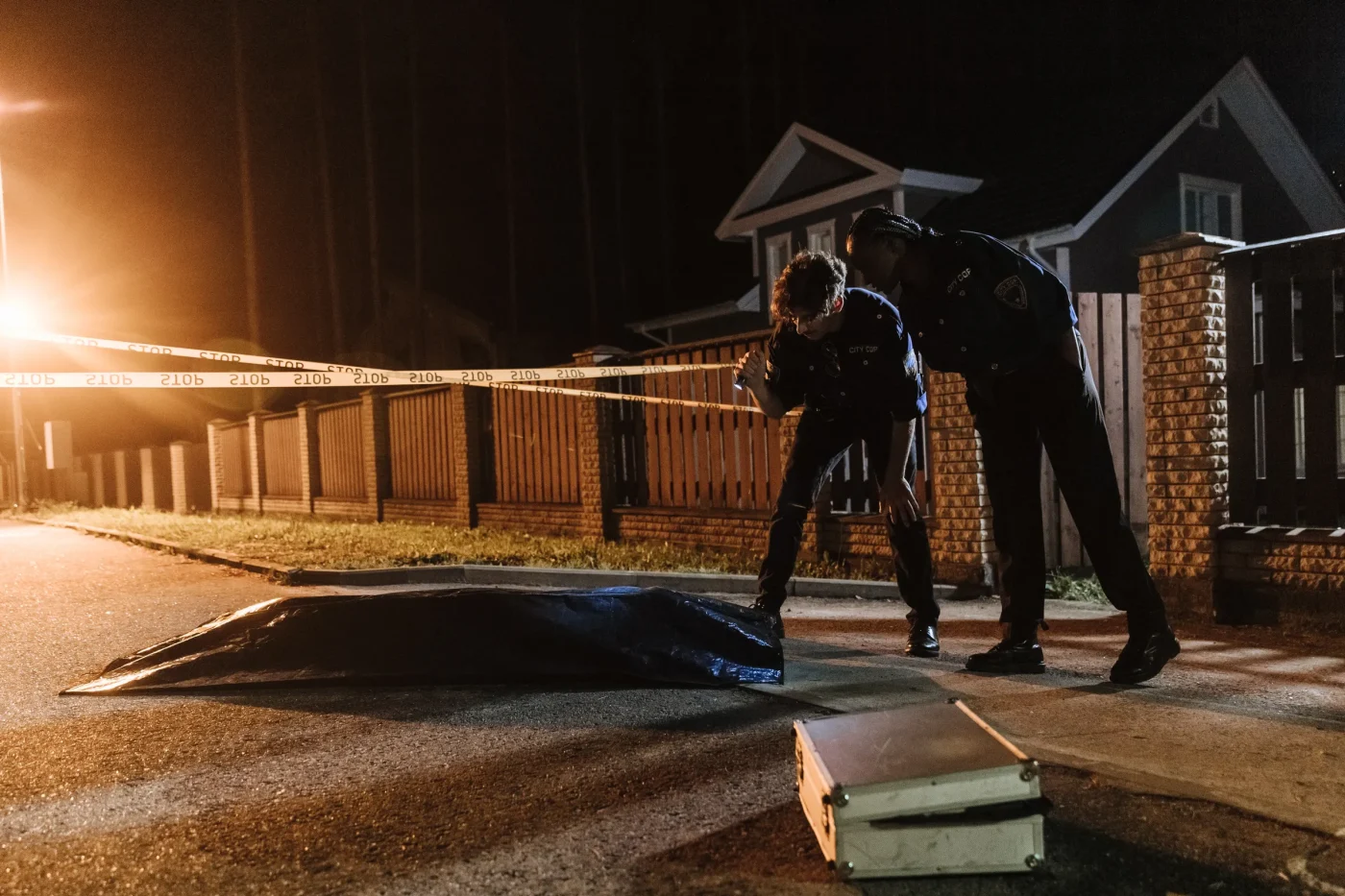
The swift police investigation yielded undeniable physical evidence that sealed the fate of everyone present during the attack, establishing a stark contrast in legal outcomes based on age, culpability, and cooperation.
| Legal & Factual Criterion | Case Detail |
|---|---|
| Primary Physical Trophy | Victim skull fragment recovered from Pike’s jacket |
| Primary Weaponry | Box cutter, meat cleaver, and asphalt slab |
| Trial Conviction (1996) | First-degree murder and conspiracy |
| Pike’s Original Sentence | Death sentence (originally electrocution) at age 20 |
| Tadaryl Shipp’s Sentence | Life imprisonment (ineligible for death due to age) |
| Additional Incarceration Offense | 2001 attempted murder of an inmate (25-year term) |
Childhood Trauma and Mitigating Evidence
While the brutality of the crime horrified the public, Pike’s defense attorneys have long contended that the original trial failed to provide jurors with a complete view of her developmental history. Born prematurely at five pounds, seven ounces by Caesarean section in Beckley, West Virginia, Pike required mechanical ventilation during her earliest days due to severe respiratory distress.
Her home life involved severe instability, extreme poverty, and chronic parental neglect across West Virginia and North Carolina. Defense evaluations documented heavy maternal substance abuse during pregnancy, extreme childhood trauma including sexual abuse beginning in toddlerhood, fetal alcohol exposure, and subsequent diagnoses of bipolar disorder and post-traumatic stress disorder.
While incarcerated, Pike’s history of violence continued, including a 2001 conviction for attempting to strangle an inmate with a shoestring during a fire evacuation. Decades spent in highly restrictive solitary confinement preceded Tennessee’s recent move to finalize her capital punishment.
The Botched Execution and Current Legal Battle

Pike’s scheduled lethal injection at the Riverbend Maximum Security Institution represented Tennessee’s first planned execution of a female inmate in more than two centuries. The administration of the state’s single-drug pentobarbital protocol quickly deteriorated into an unprecedented medical crisis when executioners struggled to secure functional intravenous lines.
Staff inserted at least seven needles into one arm, bending one needle at a 90-degree angle while Pike attempted to offer guidance on viable injection sites higher near her shoulder. Witnesses observed Pike moaning, kicking, and snoring as two full doses of pentobarbital entered her tissue, yet her heart continued beating, forcing officials to halt the execution and transport her to Vanderbilt University Medical Center.
Chemical leakage into her arm tissue caused extensive burns, blistering, and swelling, leaving her intubated for days before she regained consciousness and began speaking. With Pike awake and under heavy guard, her defense team is urgently petitioning Tennessee Governor Bill Lee for executive clemency.
💡 The legal fallout from this historic failed execution has halted all capital procedures in Tennessee while independent investigators examine the state’s lethal injection protocol.
🔍 Under long-standing constitutional precedent, surviving a botched execution does not automatically grant legal immunity from a future attempt, setting up a major legal challenge.
📌 Pike’s survival marks the first time an inmate in the United States has regained consciousness and spoken after receiving lethal doses of execution drugs.
👇 Leave your thoughts in the comments below on how the legal system should address clemency petitions following failed capital executions.