
Colleen Slemmer’s Mother Speaks on Justice After Botched Execution of Christa Pike

 The Victim
May Martinez has spent over three decades seeking justice for the 1995 murder of her daughter Colleen Slemmer.
- Christa Pike survived a botched lethal injection in Tennessee after receiving a double dose of pentobarbital.
- Colleen Slemmer's mother, May Martinez, witnessed the failed execution after waiting more than 30 years for closure.
- Tennessee called off all remaining executions for the year, and Department of Correction Commissioner Frank Strada resigned.
Executioners made repeated failed needle insertions and administered two doses of pentobarbital, but Pike did not succumb to the procedure. Though initially believed to have suffered catastrophic neurological trauma, she later regained consciousness.
Was this useful? Share your thoughts in the comments
 Hot right now
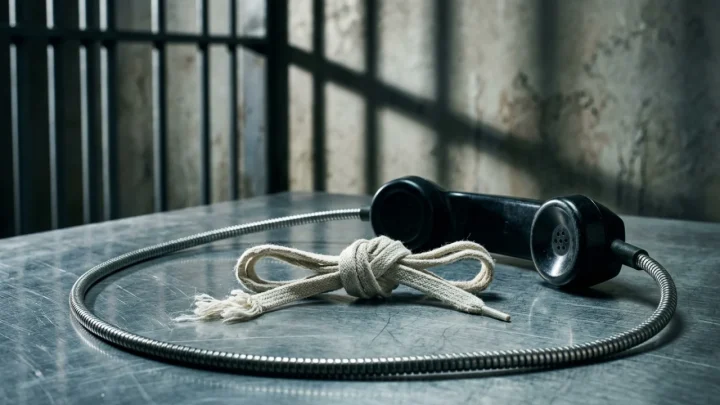
Inside the Death Row Shoestring Attack: How Christa Pike Targeted Inmate Patricia Jones
May Martinez, the mother of 19-year-old murder victim Colleen Slemmer, waited more than 30 years to witness the execution of Christa Pike, only to see the lethal injection fail on September 30. Martinez was present in the witness room when Tennessee authorities administered a double dose of pentobarbital and made repeated failed attempts to carry out the sentence, leaving the legal fight for finality in complete turmoil.
The unprecedented procedural failure has reopened deep emotional wounds while igniting an intense legal battle over constitutional rights, executive clemency, and victim advocacy. Martinez had long maintained that seeing Pike receive the ultimate punishment was necessary to close a harrowing chapter that began in 1995, yet the outcome has instead triggered high-level investigations and renewed uncertainty.
A Mother’s Decades-Long Pursuit of Justice

For decades, the public focus surrounding the case of Colleen Slemmer centered on the brutal nature of her death at the hands of fellow Job Corps classmate Christa Pike. Slemmer, widely remembered as a nurturing young woman and a talented computer enthusiast, was killed in Knoxville, Tennessee, leaving her family shattered.
Throughout the lengthy appeals process that spanned multiple decades, Martinez consistently served as the fierce voice for her daughter. When scheduled execution dates approached, Martinez made her intentions clear: she would be present in the execution chamber witness room to ensure her daughter’s memory remained at the forefront of the proceedings.
My responsibility is to uphold the sentences that Tennessee juries have handed down, even when it’s difficult, and that is exactly what we intend to do in the days ahead.
The conviction had placed Pike on death row as the youngest woman sentenced to death in the United States at the time. Yet for the Slemmer family, each delayed legal milestone only extended an excruciating search for closure that seemed destined to end in the execution chamber.
What Happened Inside the Tennessee Execution Chamber
The scheduled lethal injection on September 30 took a shocking turn when executioners encountered severe complications while administering the lethal chemicals. Despite receiving two full doses of pentobarbital and facing multiple needle insertion attempts, Pike did not succumb to the procedure.
Initial assessments suggested catastrophic neurological trauma, with Pike even being declared brain dead on Monday following the event. By Tuesday, however, she regained consciousness, creating an unprecedented medical and legal reality.
Medical Aftermath and Defense Arguments
Medical personnel overseeing Pike have noted a physical turnaround, though she remains significantly impaired:
- Pike has resumed eating a regular diet and is beginning to walk with physical assistance.
- Her legal defense team reports cognitive deficits, including severe memory gaps and concentration issues that could take months to properly diagnose.
- Pike’s defense attorneys are petitioning Governor Bill Lee for executive clemency, arguing that subjecting her to another attempt amounts to cruel and unusual punishment.
Christa is dealing with the profound psychological trauma of having survived a failed execution… Christa has endured more than enough. She should never be subjected to another execution attempt.
Defense counsel has also stated that Pike expressed concern for the surviving relatives of Colleen Slemmer as she recovered, though that sentiment has done little to soothe the outrage surrounding the botched proceeding.
Administrative Fallout and Conflicting Realities
The state’s capital punishment system faced an immediate institutional shockwave following the failed procedure. Rather than retreating from capital punishment, state leadership has framed the breakdown as a procedural failure rather than a reason to abandon statutory sentencing.
| Legal & Administrative Action | Official Detail / Response |
|---|---|
| Department Leadership | Department of Correction Commissioner Frank Strada resigned following the incident. |
| State Execution Schedule | All remaining scheduled executions for the calendar year have been officially called off. |
| Executive Stance | Governor Bill Lee described the failure as a tragedy but confirmed the state intends to carry out lawful sentences. |
| Defense Strategy | Attorneys filed immediate clemency petitions to commute the death sentence to life without parole. |
A common public misconception in botched execution cases is that a surviving inmate is automatically freed or granted immunity from further punishment under double jeopardy protections. In reality, state authorities retain the jurisdiction to investigate the procedural breakdown and seek a renewed death warrant, leaving the final authority squarely in the hands of the governor and appellate courts.
Governor Lee reiterated that the citizens of Tennessee determined the death penalty was the appropriate statutory remedy for heinous crimes, maintaining that the state intends to uphold jury mandates despite calling off all remaining executions this year to facilitate an independent investigation.
💡 What are your thoughts on the complex legal fallout of this historic case?
🔍 How should the justice system balance victim rights with constitutional protections after procedural failures?
👇 Leave your thoughts in the comments below and share your perspectives on this developing story.