
Inside the Death Row Attack: Why Christa Pike Targeted Inmate Patricia Jones Behind Bars

 The Victim
High-security correctional facilities face continuous volatility when managing individuals sentenced to capital punishment.
- Christa Pike attacked fellow inmate Patricia Jones due to interpersonal hostility and power struggles in maximum security.
- Pike became the only woman on Tennessee death row after torturing and murdering Colleen Slemmer in 1995.
- Routine facility movements and shared spaces provided the operational opportunity for Pike to assault Jones.
The attack was driven by interpersonal hostility, power struggles, and chronic tension in maximum-security confinement. Pike viewed Jones as an adversary following simmering feuds and perceived threats behind bars.
Was this useful? Share your thoughts in the comments
 Hot right now
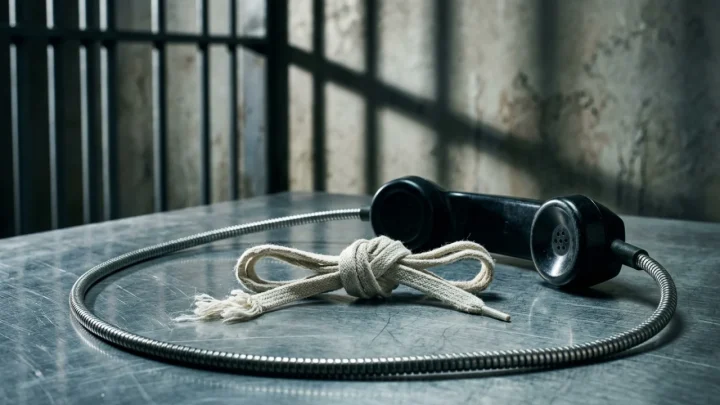
Inside the Death Row Shoestring Attack: How Christa Pike Targeted Inmate Patricia Jones
The confrontation where Christa Pike attacked fellow inmate Patricia Jones behind bars was driven by interpersonal hostility, power struggles, and the volatile environment of maximum-security confinement. Incarcerated individuals facing capital punishment navigate severe psychological strain and close-quarters friction, where minor grievances rapidly escalate into life-threatening altercations.
Pike entered the Tennessee correctional system with an established record of extreme physical aggression. When housed alongside other inmates, persistent territorial disputes and perceived betrayals created an explosive atmosphere. In high-security facilities, unaddressed interpersonal rivalries can turn lethal without warning, transforming routine movement into dangerous encounters.
Understanding this specific attack requires examining how correctional custody shapes inmate interactions, as well as the personal behavioral history that defined Pike long before the altercation occurred.
Institutional Pressures and Inmate Conflicts
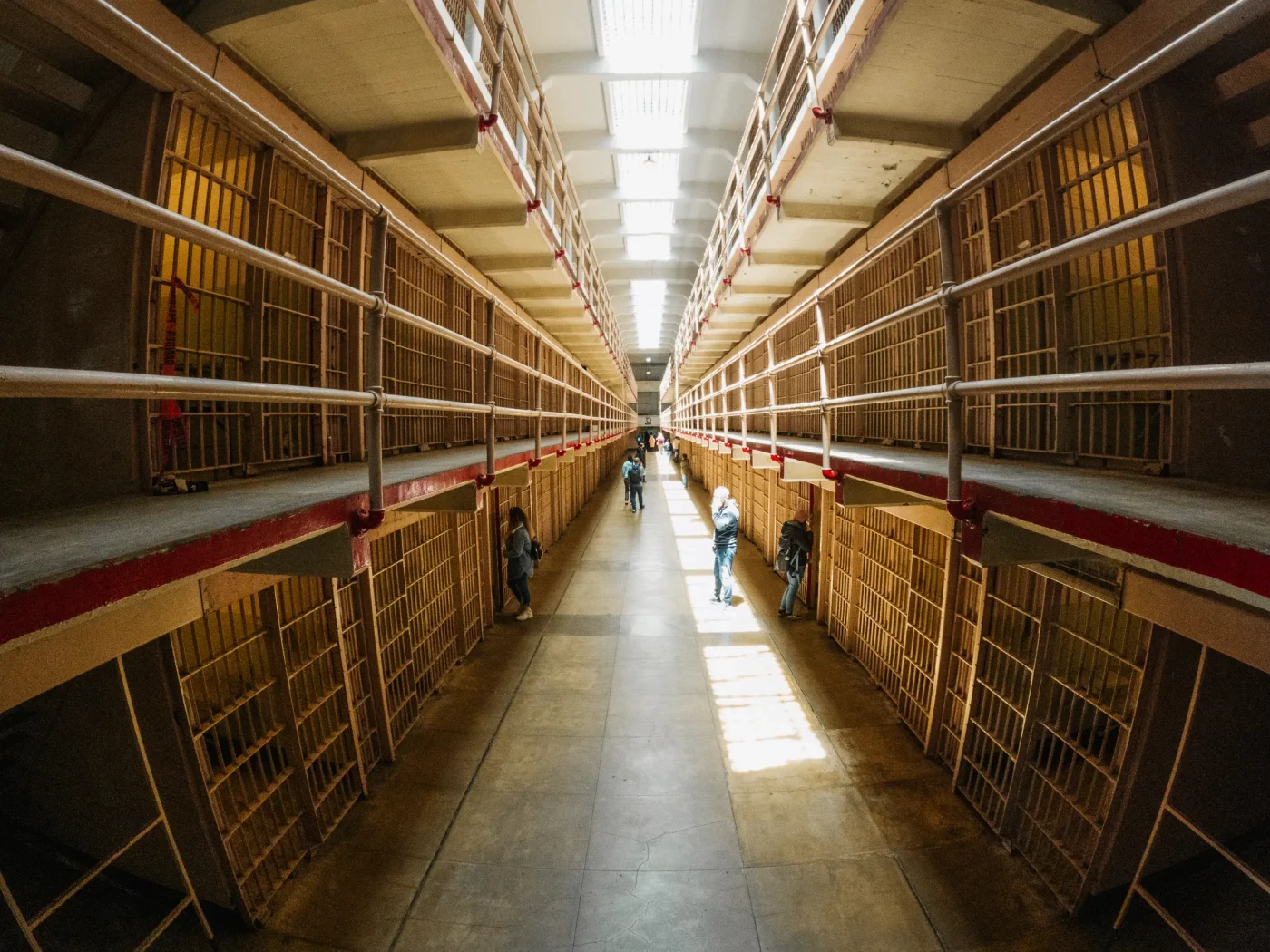
Maximum-security confinement strips individuals of personal autonomy, forcing volatile personalities into involuntary proximity. Inmate conflicts often erupt not over broad ideological motives, but over immediate grievances such as dominance, personal property, or alleged disrespect. For individuals already serving extreme sentences, conventional deterrents lose their disciplinary power.
Severe isolation, volatile interpersonal feuds, and prolonged behavioral instability create an environment where sudden inmate altercations turn lethal in seconds.
When interpersonal tension simmered between Pike and Patricia Jones, everyday prison friction quickly crossed the threshold into physical violence. In high-density correctional environments, personal disputes rarely de-escalate on their own; instead, they compound under continuous surveillance and mutual suspicion.
Triggers of Violence in Close Custody
Correctional investigators identify several recurring catalysts that trigger inmate-on-inmate assaults within restrictive housing units:
- Territorial friction: Limited recreational and common areas force rival inmates into constant, tense contact.
- Perceived threats: Rumors, insults, or perceived boundary violations prompt aggressive preemptive strikes.
- Absence of deterrents: Capital offenders already facing the ultimate penalty risk little additional loss of liberty from institutional misconduct.
- Impulse control failure: High levels of preexisting psychological volatility undermine emotional restraint under stress.
The clash between Pike and Jones reflected these exact dynamics, where chronic tension detonated into an overt bid to incapacitate a rival behind locked doors.
Dispelling the Myths Surrounding Death Row Altercations
Public perception often assumes that death row inmates remain in total, solitary isolation twenty-four hours a day, making physical contact impossible. In practice, institutional policies frequently permit structured movement, legal consultations, and controlled access to shared corridors or recreation areas. These operational windows provide fleeting opportunities for hostile encounters.
A second common misconception suggests that inmate attacks are spontaneous acts devoid of history. Documented correctional records show that violent altercations almost always stem from simmering feuds that develop over weeks or months of unaddressed hostility.
| Popular Misconception | Correctional Reality |
|---|---|
| Death row prisoners are entirely isolated from all human contact | Routine facility operations allow supervised interaction in corridors and exercise yards |
| Prison assaults are purely random, unpredictable events | Attacks typically follow protracted interpersonal feuds and perceived breaches of respect |
| Incarcerated individuals consistently follow institutional rules to avoid penalties | Inmates already facing execution perceive minimal risk from standard disciplinary write-ups |
A Documented Pattern of Extreme Aggression

The assault on Jones aligned with a pattern of severe brutality that originally placed Pike in maximum security. In 1995, Pike, alongside co-defendant Tadaryl Shipp, lured classmate Colleen Slemmer into the woods in Knoxville, Tennessee, where they tortured and bludgeoned her to death using a box cutter and a meat cleaver. That murder resulted in Pike becoming the only woman on Tennessee death row.
Her subsequent actions within the correctional facility demonstrated that confinement did not extinguish her violent impulses. The calculated aggression displayed during the attack on Jones revealed a willingness to employ lethal force against anyone perceived as an adversary, regardless of institutional barriers.
Managing such persistent volatility poses extraordinary challenges for correctional administrators, requiring heightened surveillance, physical separation, and intensive custody protocols.
💡 The volatile history of Christa Pike illustrates how institutional confinement can amplify existing aggressive behaviors into dangerous prison confrontations.
🔍 Understanding inmate violence requires looking closely at correctional security measures and the psychological pressures facing capital offenders.
👇 Leave your thoughts in the comments below to discuss how correctional institutions should manage volatile inmates in high-security facilities.