
Visiting Christa Pike on Death Row: The Strict Rules, Legal Realities, and Surprising Changes

 Trial & Death Row
Strict security controls govern access to condemned inmates in state correctional facilities.
- Christa Pike is hospitalized under armed guard after surviving a failed lethal injection execution in Tennessee.
- Tennessee death row inmates must personally add prospective visitors to an official list before screening begins.
- Tennessee enacted a temporary moratorium on capital punishment to review its lethal injection protocols.
No, general members of the public are strictly barred from visiting. Visitation is permitted only for pre-approved personal contacts listed by Pike and verified legal counsel.
Was this useful? Share your thoughts in the comments
 Hot right now
Christa Pike Execution Survived: Why the Electric Chair Is Now Under Debate
Planning how to visit christa pike death row requires navigating one of the most tightly restricted visitation processes in the American corrections system, where only pre-approved individuals on an inmate’s official list can secure direct contact. Pike, now 50 years old and convicted for the 1995 murder of Colleen Slemmer, has spent decades under strict maximum-security confinement in Tennessee. Recent life-threatening medical developments have temporarily shifted her custody conditions from a standard prison cell to intensive hospital care under round-the-clock armed guard.
Tennessee maintains rigid statutory policies governing condemned inmates, meaning public drop-ins or casual visits are strictly forbidden. Access is reserved exclusively for verified legal counsel and a small number of vetted personal contacts. The path to visiting an inmate facing capital punishment involves exhaustive background screenings, scheduled appointment slots, and strict physical security protocols.
Navigating Prison Visitation Regulations for Capital Offenders
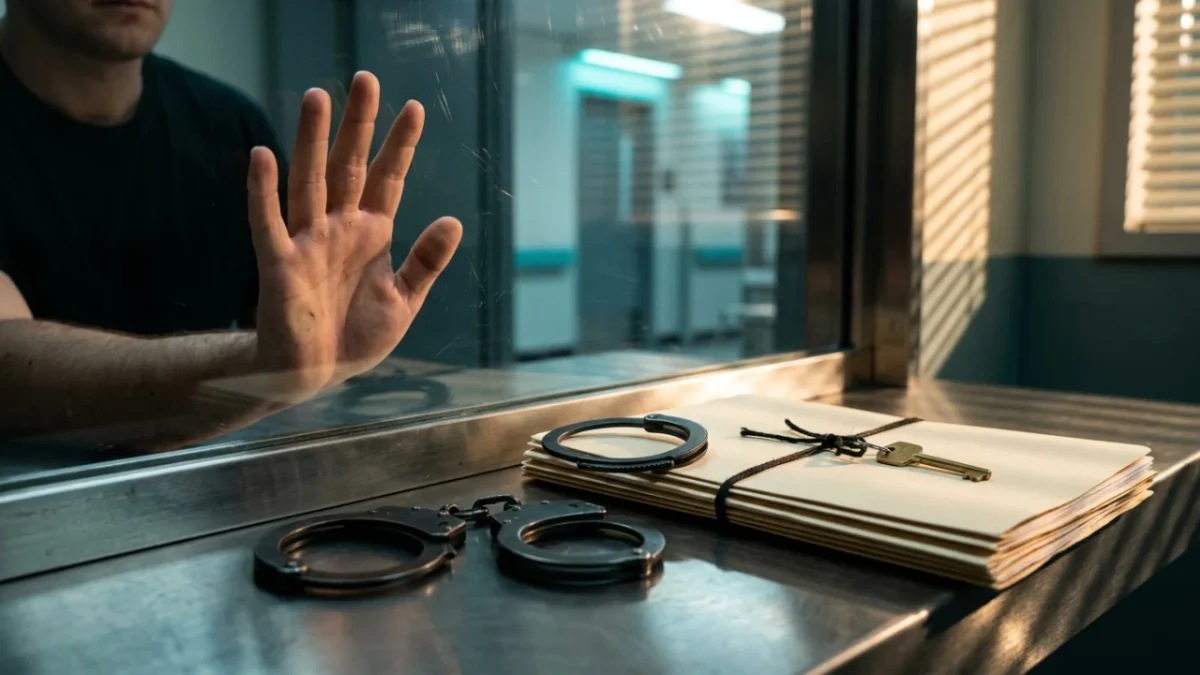
The Tennessee Department of Correction enforces distinct, multi-layered security measures for individuals sentenced to capital punishment. General members of the public cannot simply submit a request and walk into a visitation room; death row inmates must personally initiate the authorization process by placing a prospective visitor’s full legal name on their official visitation list.
Once named, an applicant must undergo criminal background checks and state verification before gaining clearance. Security personnel evaluate the relationship to the inmate, review past criminal records, and restrict any unauthorized communication. Even after approval, personal visits are heavily regulated, subject to non-contact partitions or strictly monitored secure spaces depending on institutional security levels.
A common mistake in practice is assuming that public interest or media inquiries grant standard visitation privileges; correctional institutions limit access strictly to individuals pre-approved on an inmate’s personal visitor manifest or verified legal representatives.
These protocols ensure the safety of both visitors and correctional staff while managing institutional order. However, unprecedented medical crises can immediately override typical prison visitation rules.
Emergency Custody and Current Inmate Access
Routine access rules have altered dramatically following an unprecedented medical emergency. Pike survived a failed lethal injection attempt involving two doses of pentobarbital, which required emergency hospitalization in Nashville. During the procedure, execution personnel struggled with intravenous access, using at least seven needles and leaving her arms severely injured, accompanied by complications including a blood clot and pneumonia.
After being intubated and initially feared brain dead, Pike regained consciousness and began speaking, remaining shackled to a hospital bed under heavy security. When an inmate under a capital sentence is transferred to an external medical facility, normal visitation schedules are completely suspended. Hospital security policy limits bedside access exclusively to urgent legal representatives and authorized immediate family, overseen continuously by armed state officers.
Step-by-Step: Standard Procedures for Death Row Visits
Under ordinary institutional conditions, securing permission to visit a condemned inmate requires following a mandatory, structured administrative process:
- Inmate Placement: The inmate must add the prospective visitor’s full legal details to their approved institutional contact sheet.
- Official Application: The visitor submits a formal visitation application directly to the correctional authority, undergoing identity verification.
- Background Clearance: State screening reviews criminal history, active warrants, and security risks before granting formal approval.
- Pre-Scheduled Appointments: Visitors must book specific time slots within designated institutional visiting hours, abiding by strict dress codes and identification rules.
- Security Processing: On arrival, visitors clear metal detectors, canine searches, and credential checks before entering the designated secure room.
Separating Fact from Fiction in High-Profile Prison Access

High-profile criminal cases frequently generate public confusion regarding who can visit death row and what rights outsiders hold. The legal system draws a sharp boundary between official observers, attorneys, and personal visitors.
Popular misconceptions suggest that high-profile inmates can receive arbitrary visits from curious observers, pen pals, or unauthorized researchers. The reality is that state regulations restrict direct visitation to maintain institutional order, barring unlisted individuals regardless of circumstance.
| Common Misconception | Verified Prison Reality |
|---|---|
| Members of the public can book visits with death row inmates directly | Inmates must personally submit prospective visitors for official state screening |
| Hospitalization provides easier visitor access than prison facilities | Medical transfers trigger heightened armed security and tighter visiting limits |
| Attorneys face the same scheduling barriers as social visitors | Verified legal counsel maintains priority privileged access for confidential casework |
Following the failed execution attempt, Tennessee placed a temporary moratorium on capital punishment while reviewing its lethal injection protocols. Pike’s defense attorneys, including Randy Spivey and Stephen Ferrell, have petitioned Governor Bill Lee for sentence commutation, arguing that her survival of an agonizing execution attempt represents unprecedented punishment under American law.
💡 Understanding prison access requires recognizing the strict separation between public curiosity and constitutional legal visitation rights.
🔍 Stay informed on legal developments as court decisions continue to shape capital punishment protocols and inmate custody rules.
👇 Leave your thoughts in the comments below on how institutional transparency should be balanced with correctional security.