
Inside the Prison Escape Plan Map: How Contraband Schematics Threaten Maximum Security

 The Escape Plot
Maximum-security perimeters rely on layered surveillance to neutralize illicit facility schematics.
- Inmates piece together contraband escape maps using observations made during recreation, medical transfers, and maintenance.
- Smuggled facility schematics often use coded symbols to track guard rotations, motion sensors, and camera blind spots.
- Facilities neutralize breach plots through targeted cell searches, mail auditing, and realigning surveillance cameras.
Modern facilities rely on automated motion detectors, dynamic patrol schedules, and centralized fail-safe overrides. When an unauthorized breach occurs, automated mechanical lockouts seal adjacent zones and trap inmates in isolated containment vestibules.
Was this useful? Share your thoughts in the comments
 Hot right now
Christa Pike Execution Survived: Why the Electric Chair Is Now Under Debate
Contraband blueprints and hand-drawn diagrams represent one of the most critical security compromises in modern corrections, exposing perimeter fences, blind spots, and patrol timing. When an illicit escape plan map circulates within a penitentiary, even heavily fortified institutions face immediate systemic risk. The discovery of unauthorized layout sketches forces facilities to re-evaluate their physical barriers and internal movement protocols.
Correctional institutions maintain order through controlled visibility and rigid isolation. A visual schematic completely inverts that control by putting tactical architectural information directly into the hands of incarcerated individuals. Once physical layouts are mapped out on paper, a secure environment transforms into a vulnerable operational puzzle.
The Anatomy of a Contraband Prison Escape Map
Illicit penitentiary maps rarely resemble clean architectural drafting. Inmates piece together contraband schematics using visual observations gathered during recreation hours, medical transfers, and maintenance movements. Over time, seemingly minor details coalesce into a comprehensive blueprint of perimeter blind spots, automated gate controls, and external boundary lines.
Correctional intelligence teams monitor these materials closely because hand-drawn diagrams reveal specific operational targets. A functional breach schematic typically isolates three vital components: transit corridors with low camera coverage, secondary security checkpoints, and outer security perimeters. When these markers align with external logistical support, correctional administrators treat the document as an active operational threat.
Unauthorized facility layouts and smuggled diagrams fundamentally alter security risk assessments by exposing perimeter blind spots that routine patrols take for granted.
These documents frequently rely on coded symbols rather than explicit written labels. Numbers may indicate guard rotation intervals, while geometric shapes mark motion sensors or unmonitored utility tunnels. Deciphering these markings requires immediate intervention from forensic contraband investigators before external accomplices receive the data.
High-Security Containment at Riverbend Maximum Security Institution
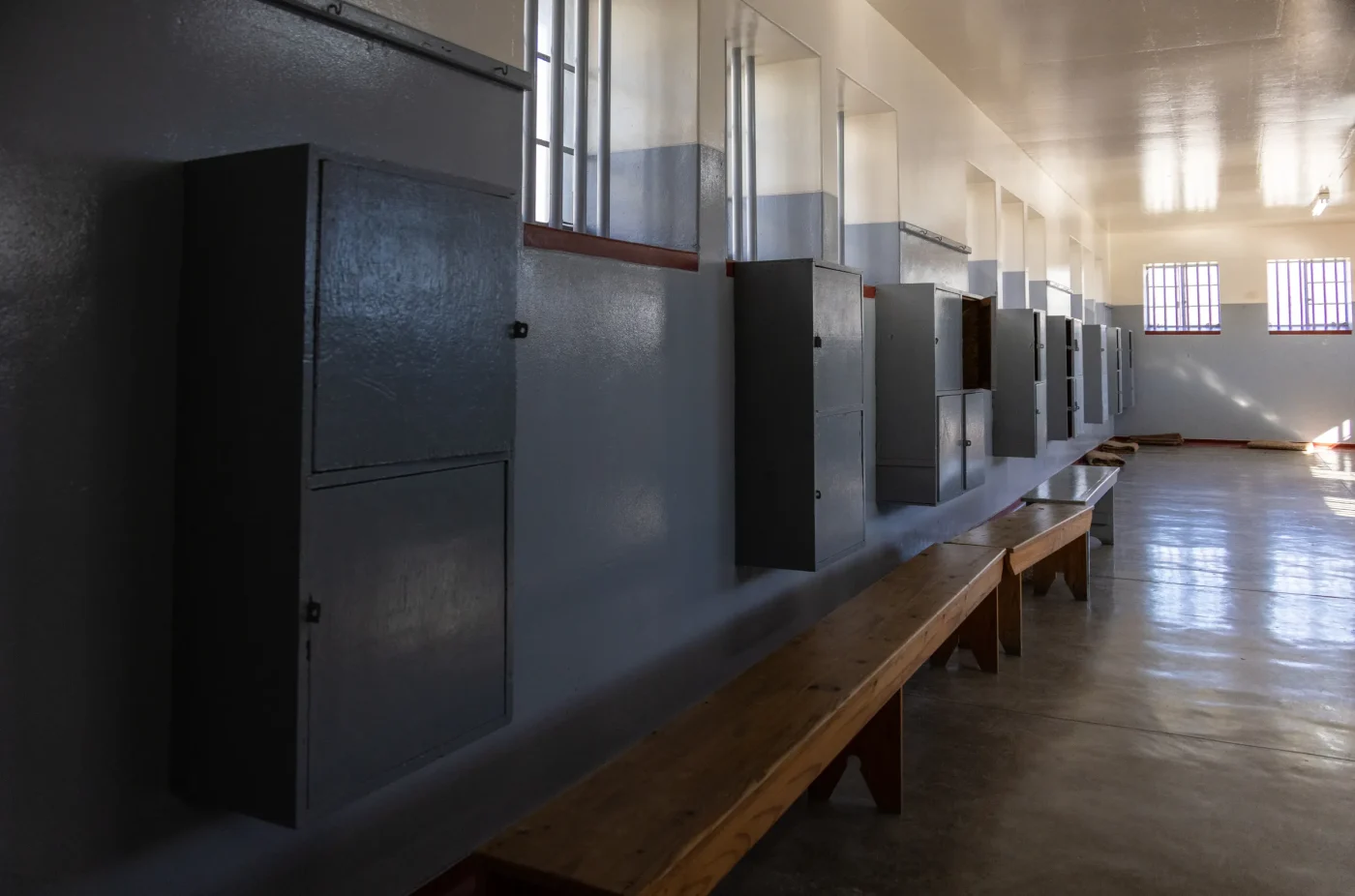
The intense scrutiny surrounding contraband breach schemes often centers on the nation’s most secure housing units. At Riverbend Maximum Security Institution in Nashville, perimeter integrity remains under constant operational review. The facility houses high-profile death row inmates, including Christa Pike, who was convicted in the murder of Colleen Slemmer.
Institutional protocols at the facility have faced heightened examination following significant operational crises. Pike survived two rounds of lethal injection during a failed execution attempt, leaving her defense attorneys requesting that Governor Bill Lee commute her sentence to life in prison without parole. With the state pausing executions for the rest of the year, administrative focus at the institution remains fixed on total custodial control and internal stability.
Managing high-profile inmates within maximum-security parameters requires preempting coordinated external contact. Any attempt to draft an escape plan map or transfer logistical notes out of housing units triggers comprehensive lockdown sweeps and forensic mail reviews.
How Correctional Investigators Neutralize Breach Blueprints
Penitentiary security teams deploy systematic countermeasures whenever unapproved structural diagrams surface. Intercepting a breach plot involves structured investigative phases designed to identify both internal creators and external couriers.
- Targeted Cell Searches: Tactical teams conduct unscheduled structural sweeps to locate physical diagrams, hidden drafting materials, and contraband writing tools.
- Mail and Communications Auditing: Legal and personal correspondence undergoes multi-spectrum scanning to identify hidden inks, embedded grid sketches, or coded transit instructions.
- Perimeter Surveillance Realignment: Facility engineers immediately adjust closed-circuit cameras and electronic perimeter beams to eliminate documented blind zones.
- Inmate Reclassification: Individuals linked to unauthorized navigational layouts face immediate transfer to higher custody tiers with restricted physical transit.
Myth vs. Reality: Why Hand-Drawn Blueprints Fail
Popular media routinely depicts prison escapes as cinematic puzzles where a detailed blueprint provides an effortless path to freedom. This narrative assumes that physical barriers remain static and unmonitored once an inmate bypasses a single locked door.
In actual high-security environments, physical architecture represents only the first layer of defense. Modern institutions utilize overlapping electronic containment, automated motion detectors, and strict physical counting procedures that operate independently of fixed structural walls. Even if a contraband schematic accurately captures a corridor layout, dynamic patrol schedules render static timing notes obsolete within hours.
Physical maps also cannot account for automated fail-safe overrides. When an unauthorized zone breach occurs, centralized control hubs trigger immediate mechanical lockouts that seal adjacent zones automatically. The document that promised a path outward ultimately leads the inmate directly into an isolated containment vestibule.
Structural Factors in High-Security Escape Prevention
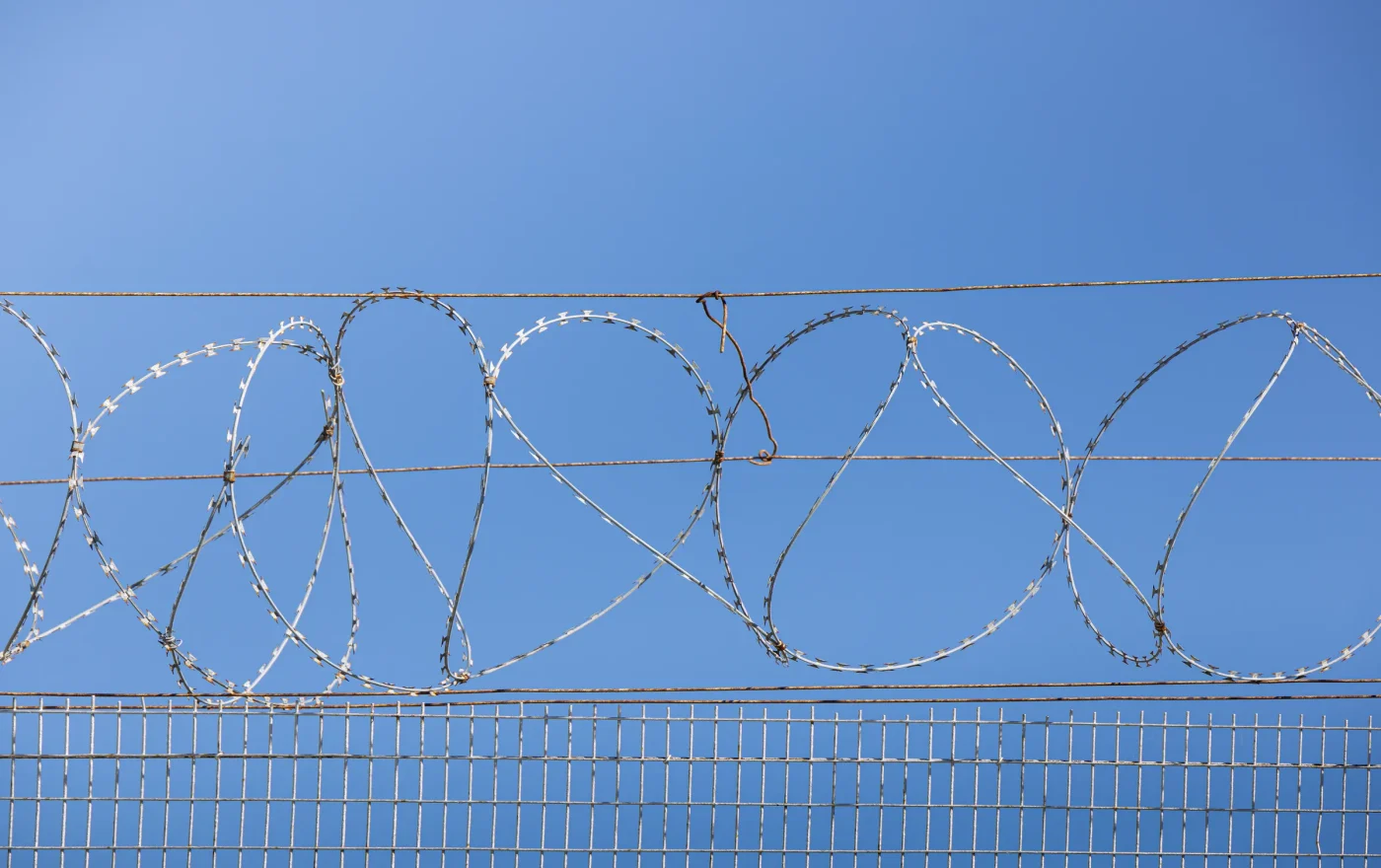
Evaluating how correctional systems counteract contraband mapping highlights the ongoing battle between architectural security and inmate communication networks.
| Security Factor | Operational Countermeasure |
|---|---|
| Hand-Drawn Facility Layouts | Confiscation, forensic handwriting analysis, and complete camera recalibration. |
| Perimeter Fence Vulnerabilities | Layered razor ribbon, microwave motion sensors, and automated patrol sweeps. |
| Guard Movement Timetables | Randomized shift rotations and irregular security checkpoint intervals. |
| External Accomplice Smuggling | Digitized mail screening, monitored visitation booths, and intelligence sharing. |
Contraband schematics remain a focal point of correctional intelligence because they reveal the persistent desire to exploit structural flaws. As institutional facilities upgrade electronic detection systems, preventing unauthorized documentation of secure perimeters remains essential to maintaining total facility control.
💡 Maximum-security architecture relies on layered redundancy, ensuring that no single compromised diagram can overcome modern containment barriers.
🔍 Correctional intelligence units continually intercept contraband correspondence to detect unauthorized blueprints before logistical steps occur.
📌 Institutional safety requires rapid administrative response whenever sensitive facility layouts are discovered in unauthorized hands.
👇 Leave your thoughts in the comments below on how modern surveillance technology has changed the way correctional facilities handle security breaches.