
Christa Pike and Death Row Security: From Foiled Prison Escape Plots to Unprecedented Legal Turmoil

 The Escape Plot
Legal battles and strict correctional containment define the high-profile case of Christa Pike.
AI-generated summary. Quality and accuracy may vary.
The lead image shows a custody photograph of death row inmate Christa Pike in prison attire, paired with an exterior view of the maximum-security correctional facility and documentation detailing the emergency court order issued to preserve execution chamber evidence.
- Christa Pike survived two doses of lethal pentobarbital during a failed execution attempt in Tennessee.
- A state judge ordered the immediate preservation of all execution chamber evidence, including drugs, syringes, and gurneys.
- Pike's defense team petitioned the state governor to commute her death sentence to life in prison following the incident.
Christa Pike survived two separate doses of lethal pentobarbital, leaving her with severe medical complications including pneumonia and cognitive confusion. Following the failed attempt, a judge ordered all chamber evidence preserved while her defense requested a sentence commutation to life imprisonment.
Was this useful? Share your thoughts in the comments
 Hot right now
Donald Kohut’s Foiled Plot to Break Christa Pike Off Death Row Resurfaces After Botched Execution
Hot right now
Donald Kohut’s Foiled Plot to Break Christa Pike Off Death Row Resurfaces After Botched Execution
High-security containment surrounding Christa Pike faces intense public focus after a state court ordered the immediate preservation of all chamber evidence following an unprecedented lethal injection failure. The condemned inmate survived two separate doses of lethal pentobarbital, sparking complex legal motions, medical complications, and heightened questions regarding maximum-security supervision.
Pike remains under strict protective custody while dealing with acute medical issues, including pneumonia, a blood clot, cognitive confusion, and an inability to swallow or move her arms. Her defense team has already submitted a formal request asking the state governor to commute her death sentence to life in prison, while state prosecutors acknowledge that future execution attempts remain unresolved.
The intense scrutiny surrounding Pike highlights the layered measures correctional institutions employ to manage condemned inmates whose histories involve escape plots, severe contraband investigations, and long-standing capital convictions.
High-Security Management and Prison Escape Plot Protocols
Managing capital offenders inside maximum-security units requires continuous containment strategies designed to prevent an escape plot before execution dates approach. Corrections officials treat death row inmates with continuous surveillance, restricted movement, and regular cell inspections to prevent outside communications from turning into active operational risks.
In standard correctional intelligence operations, inmate escape plots rarely mirror dramatic physical breaches through fortified walls. Instead, security threats emerge through unauthorized third-party communication, attempts to compromise staff, or smuggled contraband intended to exploit structural vulnerabilities.
When an escape plot or security compromise is detected within a penitentiary, state corrections departments trigger immediate preventative protocols:
- Administrative Segregation: Inmates identified in breach planning are placed in isolated units with single-cell containment and zero contact with general populations.
- Mail and Visitation Interception: Outgoing and incoming communications undergo intensive screening to neutralize outside confederates.
- Rotational Guard Monitoring: Correctional staff shifts rotate frequently to prevent inmates from exploiting familiar relationships or building illicit rapport.
- Physical Facility Lockdowns: Electronic checkpoints, secondary locking mechanisms, and continuous perimeter monitoring are verified through unannounced inspections.
The Legal Fallout of a Botched Execution

Beyond correctional containment, Pike’s current legal status has entered uncharted territory following the catastrophic administration of execution drugs. Chancery Court Judge I’ashea Myles stepped in to grant an expansive emergency evidence preservation order covering the entire execution chamber.
“In light of the evolving situation, the court will enter and grant its own order granting the motion to preserve relevant evidence. As a primary matter, we want all drugs, syringes, i.v. lines, tubing, that are within the state’s possession, needles, catheters, medical supplies, restraints, gurneys, anything that was in the actual room needs to be preserved and maintained.”
The judicial directive came after defense attorney Luke Ihnen raised alarms regarding state transparency surrounding the incident. The administrative fallout was swift: the state prison chief resigned, and the governor launched an official executive review into execution procedures.
Chamber Evidence and Judicial Oversight
Preserving physical materials ensures independent toxicologists and medical experts can evaluate chemical purity, equipment function, and venous access procedures. The order prevents correctional authorities from altering, disposing of, or restocking medical supplies until forensic inquiries conclude.
| Legal & Operational Factor | Case Status |
|---|---|
| Primary Conviction | 1995 torture and murder of 19-year-old Colleen Slemmer |
| Court Order Scope | Preservation of drugs, syringes, IV lines, restraints, and gurneys |
| Presiding Authority | Chancery Court Judge I’ashea Myles |
| Current Health Condition | Pneumonia, blood clot, immobility in arms, cognitive confusion |
| Administrative Actions | Resignation of prison chief; gubernatorial review initiated |
| Defense Legal Motion | Clemency petition to commute sentence to life imprisonment |
Separating Correctional Myths from Death Row Reality
Public perceptions of capital management frequently diverge from actual institutional reality. A common misconception suggests death row inmates enjoy opportunities to orchestrate physical breakouts through prison corridors. In reality, modern maximum-security facilities keep capital inmates isolated for up to twenty-three hours per day, rendering spontaneous physical escapes virtually impossible without deep external corruption.
Another widespread misconception assumes lethal injection represents an entirely fail-safe medical procedure. Pike’s survival after two doses demonstrates that chemical protocols can collapse, prompting emergency interventions and protracted constitutional challenges.
Following the failed attempt, defense attorney Randy Spivey described Pike’s initial moments of consciousness as she attempted to process her surroundings.
“Our understanding was the first thing she said was, ‘where am I and who are you?’ There’s still a lot of cognitive confusion. And so, I will say that. She has wanted to know what’s happened … like she is, I think she is angry and confused about everything right now.”
Steps in Investigating Correctional Evidence Failures
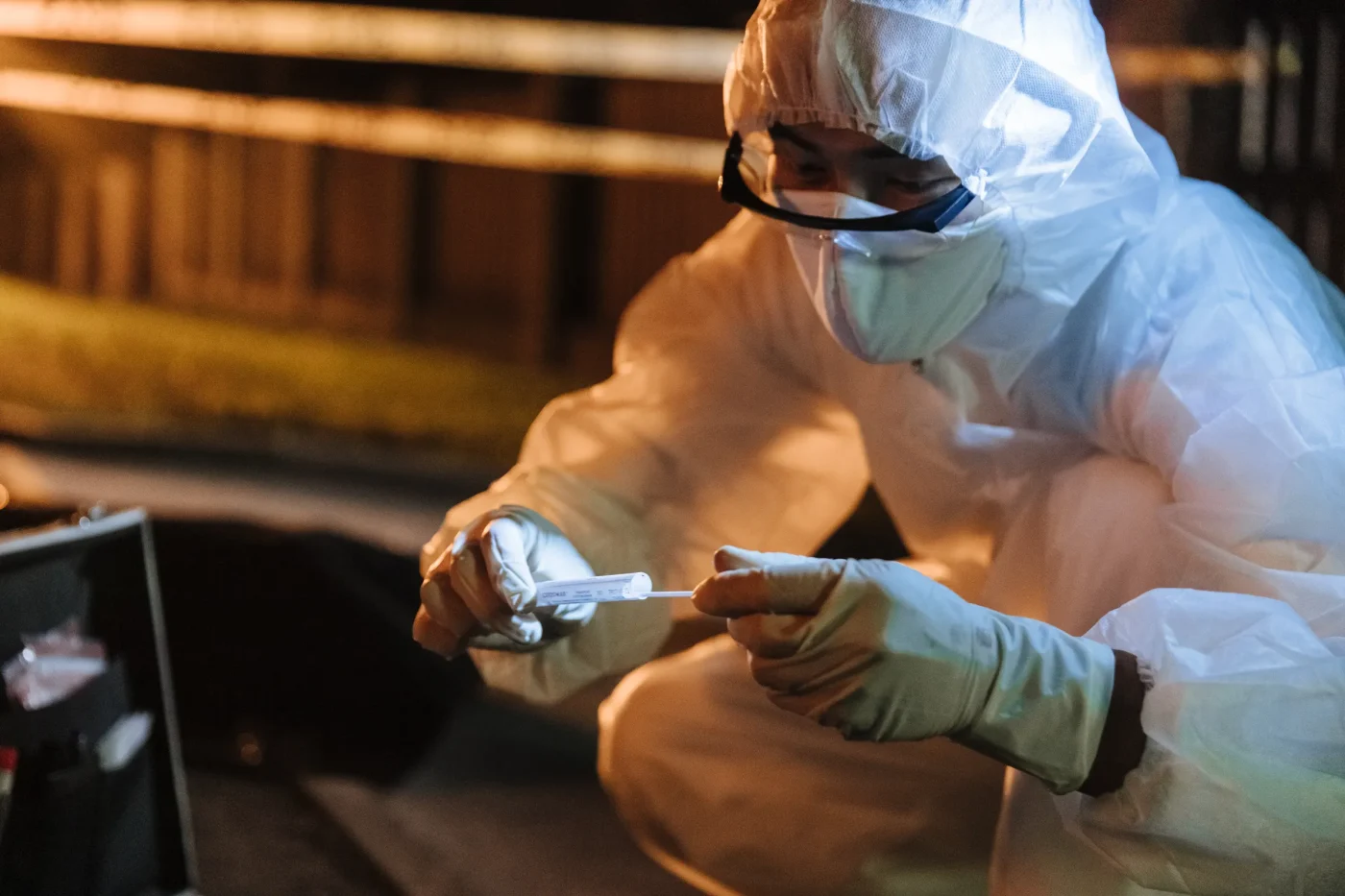
When high-profile execution protocols fail, oversight bodies follow a rigorous sequence to document chain-of-custody integrity and administrative culpability:
- Securing the Chamber: Access to the death chamber is sealed immediately to safeguard physical traces, medical carts, and biological samples.
- Evidence Cataloging: Investigators impound IV lines, chemical vials, catheter packages, and restraint systems under court supervision.
- Toxicological Testing: Preserved chemical compounds undergo independent laboratory testing to verify potency, dosage calculation, and sterility.
- Administrative Review: State authorities evaluate staff training records, medical licensing, and internal command decisions to identify systemic failure points.
While defense lawyers push for permanent clemency, Colleen Slemmer’s family continues to demand that the original sentence be completed, emphasizing that decades of appeals and administrative crises have delayed their pursuit of justice.
💡 The intersection of death row security measures, foiled escape histories, and state execution protocols highlights the fragile mechanics governing modern capital punishment.
🔍 As the court-ordered evidence review proceeds in Tennessee, legal scholars and correctional officials nationwide are monitoring whether a second execution attempt can legally move forward.
👇 Leave your thoughts in the comments below on how courts should balance state execution authority against administrative accountability.