
How Long Did Christa Pike Stay at Job Corps? The Timeline Behind the Infamous Case

 Latest Updates & Appeals
Christa Pike entered Job Corps as an 18-year-old trainee before an arrest in early 1995 ended her stay and led to Tennessee's death row.
- Christa Pike's Job Corps stay ended in January 1995 when she was arrested for the murder of classmate Colleen Slemmer.
- Pike became the youngest woman sentenced to death in Tennessee history following her conviction for the crime.
- Pike survived a September 30 execution attempt after receiving two doses of pentobarbital and being rushed to a hospital.
Executioners administered two doses of pentobarbital using at least seven needles, after which Pike began snoring and was hospitalized unconscious. She later regained consciousness, and her defense petitioned Governor Bill Lee for clemency after she suffered severe medical complications.
Was this useful? Share your thoughts in the comments
 Hot right now
The Brutal Weaponry Used Against Colleen Slemmer in Infamous Knoxville Murder
Christa Pike‘s stay at the vocational Job Corps program ended abruptly in January 1995, when the then-18-year-old trainee was arrested for the torture and murder of 19-year-old classmate Colleen Slemmer. Her time in the residential job-training initiative was permanently cut short by the crime, transforming what was intended to be an educational pathway into one of the most notorious capital cases in modern American legal history.
Instead of completing her vocational studies, Pike was immediately removed from the program and taken into custody. Her brief youth enrollment gave way to a rapid trial, making her the youngest woman sentenced to death in Tennessee history and initiating decades of state and federal appeals.
Her history at the center has resurfaced at the center of intense national scrutiny following an unprecedented medical and legal turn on death row.
The Job Corps Enrollment and the 1995 Arrest
Federal vocational programs like Job Corps are designed to provide young adults with career training and academic advancement. Pike enrolled in the program during her late teens, where she met fellow student Colleen Slemmer. Any long-term educational or occupational trajectory vanished during the winter of 1995.
In January 1995, Pike, alongside accomplices, attacked Slemmer in a nearby wooded area. The severity of the crime immediately ended Pike’s participation in the government-backed vocational program, shifting her jurisdiction from campus administrators to law enforcement and the criminal justice system.
The Tragic Cutoff of Her Training Term
Because vocational stays are designed to last until completion of certified trade tracks, Pike never graduated or exited under standard program conditions. Her enrollment ceased the moment criminal charges were filed, leading directly to a conviction that carried the death penalty.
“She didn’t want the stay. She was ready to go. She was at peace. She had accepted that whatever happened was not in her control. It was in God’s control.”
Her aunt, Carrie Ross, described Pike’s later mindset after decades behind bars, contrasting the violent origins of her 1995 arrest with her eventual resignation to her state-ordered sentence.
Separating Fact from Fiction: The Job Corps Timeline

Public discussions around Pike’s background often blur the duration of her vocational training with her subsequent incarceration. Clarifying the verified record separates popular misconceptions from historical facts.
- Myth: Pike spent several years training in the vocational program before encountering legal trouble.
- Fact: Pike was only 18 years old when the January 1995 murder occurred, meaning her residency at the training facility was limited and came to a hard stop upon her arrest.
- Myth: Pike completed her educational track or was dismissed for administrative infractions.
- Fact: Her departure was strictly criminal, moving directly from the center to a holding cell and then to capital trial proceedings.
Overview of the Christa Pike Case Milestones
The progression of Pike’s case spans from her teenage enrollment in 1995 to historic capital punishment controversies decades later.
| Milestone | Documented Record |
|---|---|
| Program Enrollment | Enrolled at Job Corps as an 18-year-old trainee |
| Program Termination | January 1995 following the murder of Colleen Slemmer |
| Legal Outcome | Convicted and sentenced to death in Tennessee |
| Lethal Injection Event | September 30 execution attempt involving pentobarbital |
| Clemency Petition | Defense filed appeal to Tennessee Governor Bill Lee |
The Unprecedented Medical Aftermath
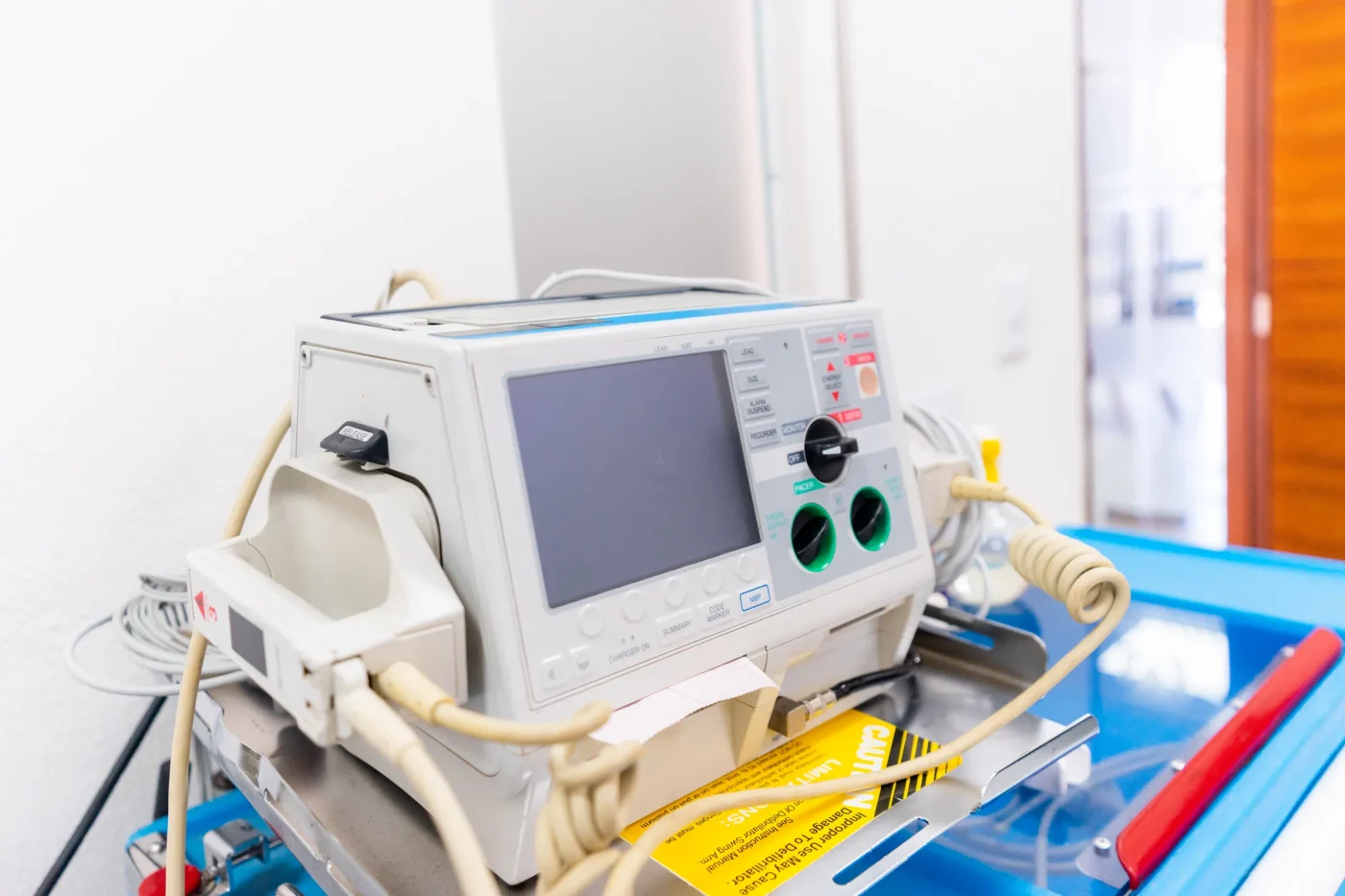
Decades after her stay at the vocational center ended, Pike was scheduled to become the first woman executed in Tennessee in over two centuries. On September 30, executioners administered two doses of pentobarbital using at least seven needles, one of which emerged bent at a 90-degree angle.
Witnesses noted that Pike began snoring after receiving the drugs. Rushed to an external hospital via ambulance, she remained unconscious while attorneys initially feared she was brain dead. Days later, Pike regained consciousness, began talking, and was able to walk, marking an extraordinary medical anomaly in capital punishment.
“endured punishment greater than any other person in the history of the American death penalty.”
Her defense team, including attorney Randy Spivey and federal defender Stephen Ferrell, stated that Pike suffered a blood clot, pneumonia, and severe injuries to her arms that severely restrict their use. Pike’s lawyers have petitioned Tennessee Governor Bill Lee to commute her sentence to life, arguing that surviving the failed procedure constitutes exceptional circumstances.
💡 The timeline from an 18-year-old Job Corps student to a surviving capital inmate remains one of the most anomalous legal records in the country.
🔍 As debate intensifies over the clemency petition submitted to state officials, public attention continues to examine the systemic questions surrounding capital protocol failures.
👇 Leave your thoughts in the comments below on how the legal system should address surviving execution attempts.
📌 Share your perspectives with us as the state evaluates the pending petition for sentence commutation.