
Can Death Row Inmates Receive Pen Pal Mail? Inside Prison Mail Rules

 Latest Updates & Appeals
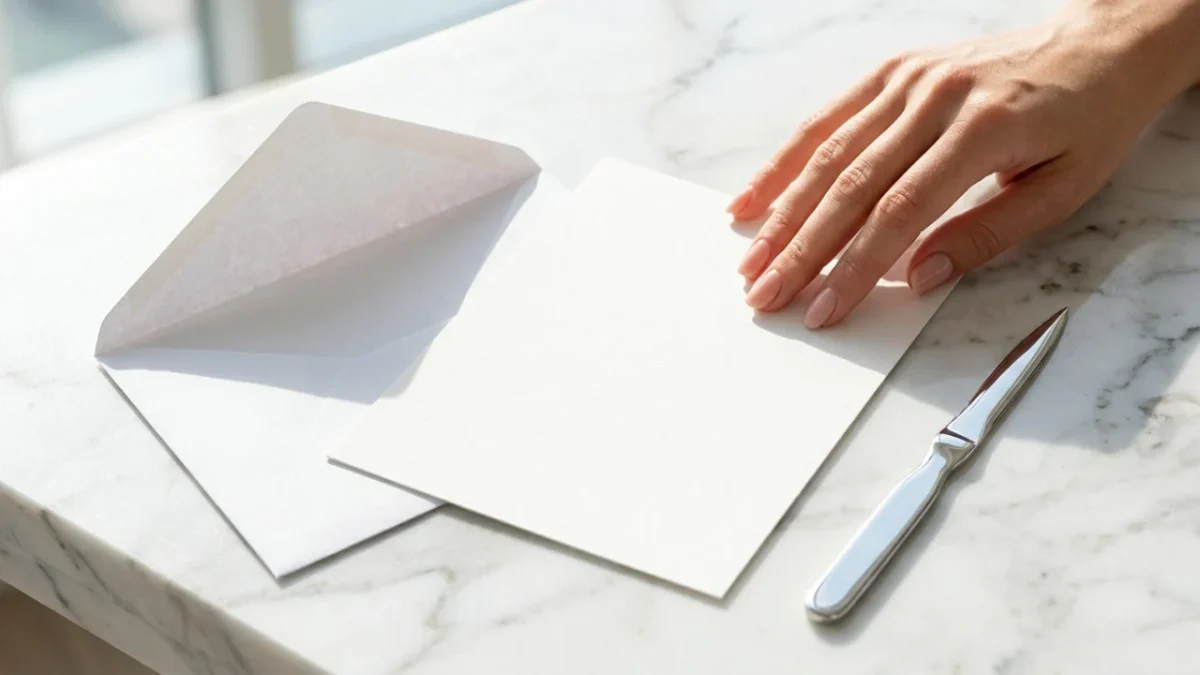
Strict screening rules dictate every piece of incoming mail sent to death row housing units.
- Death row inmates retain the legal right to receive correspondence from outside pen pals.
- Prison mailrooms inspect incoming letters for physical contraband, coded text, and prohibited items.
- Many prisons photocopy letters and shred the originals to prevent drug-laced paper from entering.
Yes, individuals sentenced to capital punishment retain the legal right to receive letters from outside pen pals. However, incoming mail must pass rigorous screening, physical inspection, and strict formatting rules before delivery.
Was this useful? Share your thoughts in the comments
 Hot right now
The Brutal Weaponry Used Against Colleen Slemmer in Infamous Knoxville Murder
Can death row inmates receive pen pal mail? Yes, incarcerated individuals sentenced to capital punishment retain the legal right to receive general correspondence, including letters from outside pen pals. However, every envelope faces rigorous screening, physical inspection, and rigid formatting restrictions before reaching an inmate’s cell.
While the constitutional right to send and receive correspondence remains intact across correctional systems, prison administrations impose some of the tightest administrative barriers on capital units. Navigating these parameters requires understanding how security personnel monitor written communication and what items trigger immediate rejection.
How Prison Mail Screening Operates on Death Row
Correctional institutions treat incoming letters as a critical security concern. In capital housing units, general non-legal correspondence is opened and inspected for physical contraband, coded text, and prohibited materials before delivery. Staff members do not simply glance at the paper; they review the structural integrity of the envelope itself.
Most facilities prohibit anything beyond standard, plain white paper written in non-metallic ink. Items like stickers, glitter, musical greeting cards, and perfume will prompt mailroom officers to reject the delivery. Furthermore, an increasing number of correctional jurisdictions photocopy incoming letters, handing the inmate a black-and-white duplicate while shredding the original paper to eliminate the risk of drug-laced paper fibers entering the facility.
A common mistake in practice is failing to verify individual facility guidelines, resulting in rejected correspondence over minor formatting infractions.
Because policies differ dramatically between individual state departments of corrections and federal facilities, adhering to the basic requirements is essential for maintaining contact.
Common Contraband and Format Restrictions
To avoid postal rejection, writers must understand what correctional mailrooms classify as unauthorized. Mail rejections frequently stem from innocent additions that violate security codes.
- Prohibited enclosures: Cash, personal checks, stamps, paper clips, staples, and polaroid photographs.
- Adulterated surfaces: Paint, correction fluid, lipstick marks, tape, or perfumed paper.
- Content violations: Maps of surrounding areas, escape plans, explicit sexual material, or descriptions of weapon manufacturing.
Myths vs. Reality: Writing to Incarcerated Individuals
Widespread misconceptions suggest that death row isolates individuals from all outside contact. Popular culture often portrays capital housing units as completely cut off from the postal system, leading many to assume personal writing is restricted entirely to biological family or legal representation.
In reality, the law permits outside pen pals, advocacy volunteers, and religious figures to write freely, provided security criteria are met. Unless a court order restricts contact with a specific individual—such as a protective order involving a victim’s family—inmates may correspond with anyone willing to send a stamp.
| Factor | Operational Standard |
|---|---|
| Legal Basis | Protected under constitutional standards, subject to security limits |
| Mail Inspection | Opened and checked for contraband prior to delivery |
| Legal Mail Distinction | Opened only in the presence of the inmate, unread by staff |
| Accepted Materials | Standard white paper, plain envelopes, blue or black ink |
| Digital Alternatives | Approved messaging kiosks or tablets where infrastructure allows |
Steps for Sending Pen Pal Mail Safely
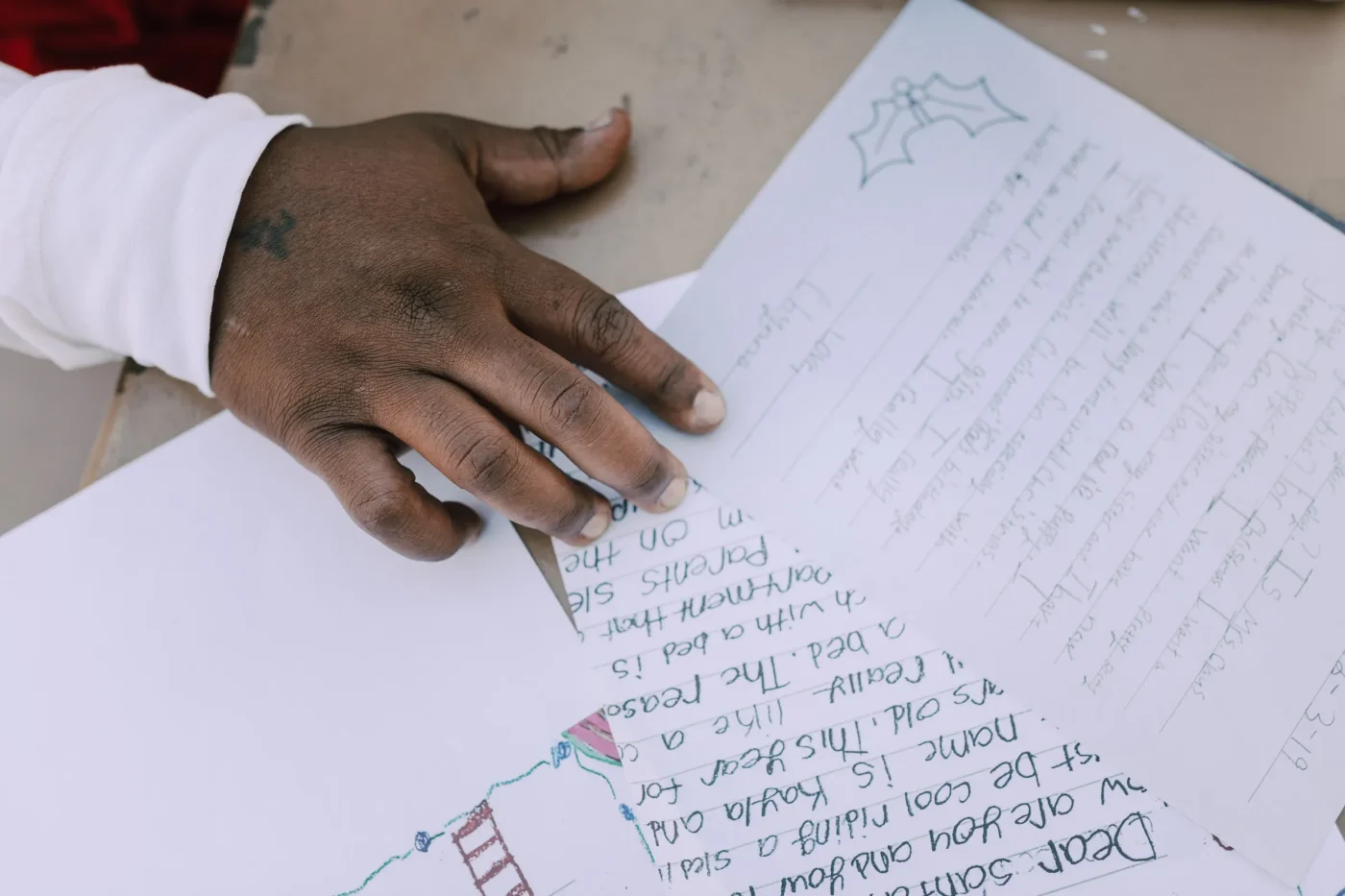
Establishing communication requires following a systematic process to ensure the letter passes intake checks.
- Locate the Inmate Identification Number: Identify the individual’s full legal name and specific department of corrections tracking number. Envelopes lacking this identifier face immediate return.
- Confirm Facility Mail Addresses: Check whether the institution uses a centralized off-site scanning vendor or accepts letters directly at the prison’s physical address.
- Use Standard Stationery: Write on unlined or college-ruled paper using standard ink. Include your full return name and postal address clearly written in the top left corner.
- Keep Enclosures Minimal: Limit additional contents to standard unframed photographs if the facility explicitly allows them, avoiding any adhesive backing.
💡 Navigating state-run correctional regulations requires patience, attention to detail, and a strict commitment to facility rules.
🔍 Understanding these boundaries protects both the sender’s effort and the recipient’s access to vital outside communication.
📌 Share your thoughts or experiences with correctional correspondence in the comments below.