
Christa Pike Frontal Lobe Brain Damage Scan: How Neurological Evidence Reshapes Capital Defense

 Latest Updates & Appeals
Advanced neuroimaging highlights frontal lobe impairments that forensic specialists increasingly review in capital sentencing evaluations.
- Christa Pike has spent 31 years on death row in Nashville after the 1995 killing of 19-year-old Coleen Slemmer.
- Pike survived two failed administrations of lethal execution chemicals.
- Fetal Alcohol Spectrum Disorder causes organic frontal lobe damage that impairs executive functioning and impulse management.
The neuroimaging can show organic frontal lobe deficits that impair self-regulation and impulse control, which were omitted from her original defense. This structural damage demonstrates reduced culpability even when a defendant scores normally on standard IQ tests.
Was this useful? Share your thoughts in the comments
 Hot right now
The Brutal Weaponry Used Against Colleen Slemmer in Infamous Knoxville Murder
The forensic examination surrounding the christa pike frontal lobe brain damage scan underscores how neuroimaging and developmental conditions challenge traditional capital sentencing. After 31 years on death row in Nashville following the 1995 killing of 19-year-old Coleen Slemmer, Pike survived two failed administrations of lethal execution chemicals, pushing the legal debate over severe neurological dysfunction, trauma, and diminished culpability back into sharp public focus.
For decades, capital litigation concentrated almost exclusively on psychological trauma, environmental deprivation, and early behavioral crises. Yet emerging forensic analyses demonstrate that structural and functional deficits in the prefrontal cortex alter behavioral control long before an individual ever enters a courtroom.
When legal teams fail to document organic cognitive impairment, courts miss critical evidence regarding self-regulation, impulse restraint, and basic criminal responsibility.
The Neuroscience of Frontal Lobe Impairment and FASD
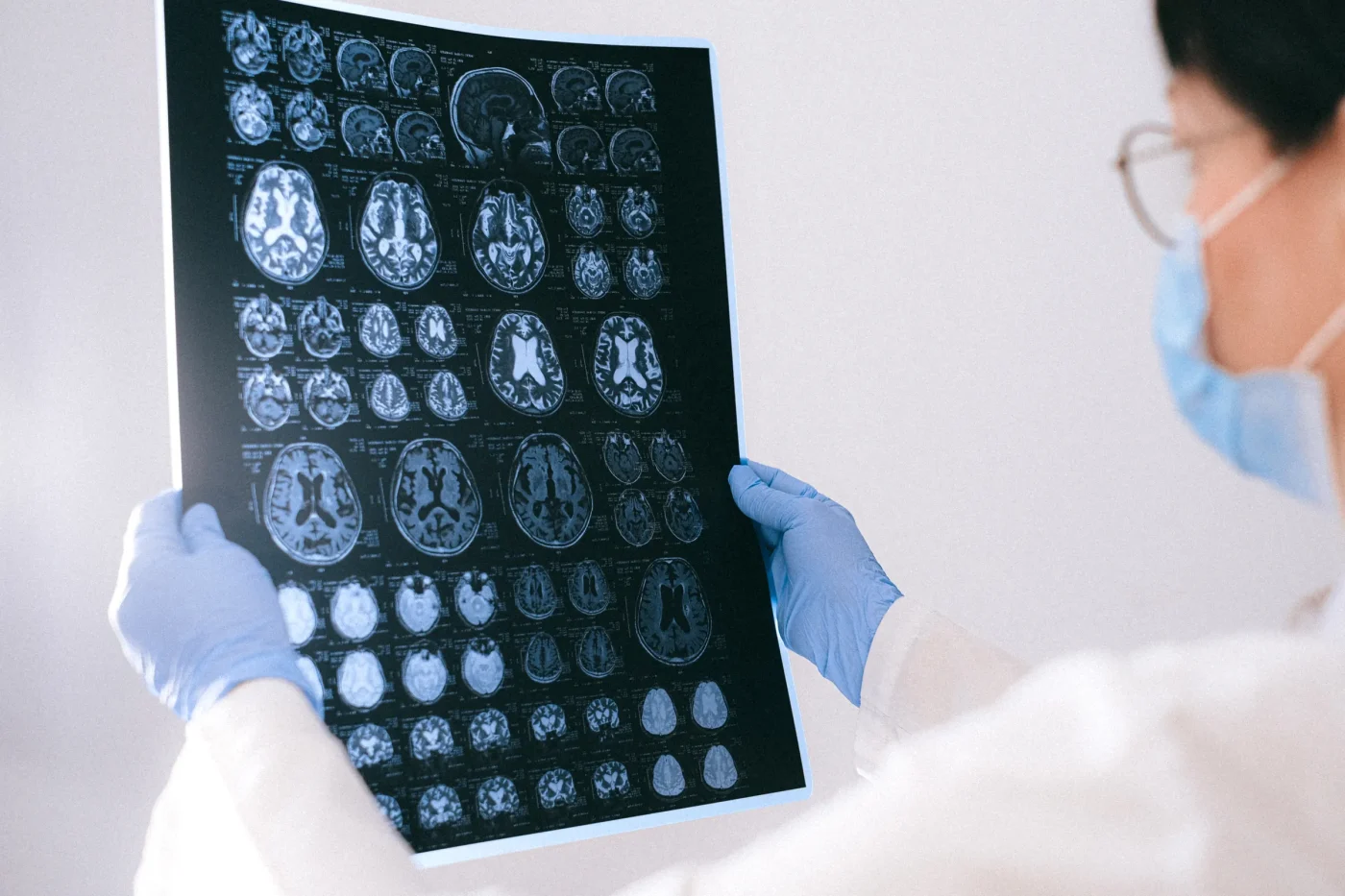
The human frontal lobe governs executive functioning, abstract judgment, and emotional inhibition. When prenatal development is compromised by high maternal alcohol consumption, the structural architecture of this brain region suffers irreversible harm known as Fetal Alcohol Spectrum Disorder (FASD).
Forensic psychologist Dr. Natalie Novick Brown has documented that FASD serves as a primary driver of organic frontal lobe dysfunction among individuals charged with violent crimes. Despite statutory warnings displayed across American commercial establishments regarding maternal alcohol intake, forensic evaluations regularly overlook these cognitive indicators.
Neurological developmental disorders systematically impair executive functioning and impulse management, reducing the individual’s baseline capacity for criminal culpability even when gross intellectual scores appear normal.
During Pike’s original trial, testimony highlighted an upbringing marked by pervasive sexual abuse beginning in toddlerhood alongside a severe suicide attempt at age 12. However, organic neurological impairment was largely sidelined, leaving neuroimaging and prenatal developmental assessments out of the initial defense framework.
From Early EEGs to Modern Structural Neuroimaging
Decades ago, pioneering research conducted by Yale forensic psychiatrist Dorothy Otnow Lewis and Georgetown neurologist Jonathan Pincus established that condemned individuals display extensive neurological compromise. Dr. Lewis evaluated death row populations across the United States, uncovering abnormal electroencephalogram (EEG) readings alongside severe physical abuse and psychiatric symptoms like paranoia.
While early research relied on baseline EEGs and traumatic brain injury markers, contemporary defense specialists utilize sophisticated brain scans capable of isolating deep metabolic and structural abnormalities. These scans reveal compromised gray matter volume and disrupted neural networks inside the prefrontal cortex that traditional psychological interviews cannot detect.
Diagnostic Realities Versus Common Legal Misconceptions
Popular consensus often assumes that competent defendants with standard IQ test results possess intact brain functioning. Clinical practice demonstrates the opposite.
| Legal Misconception | Clinical Forensic Reality |
|---|---|
| Standard IQ tests identify all developmental impairments | FASD causes severe executive dysfunction without necessarily dropping general IQ below statutory intellectual disability thresholds. |
| Violent conduct stems solely from environmental choices | Frontal lobe damage drastically diminishes organic impulse regulation and abstract reasoning. |
| Traditional psychiatric interviews capture organic brain damage | Deficits require objective neuroimaging, detailed EEG readings, and specialized prenatal alcohol exposure tracking. |
| Life without parole represents a mild legal outcome | Indefinite incarceration remains an extreme punitive sanction, banned outright by jurisdictions like the European Union. |
How Forensic Teams Evaluate Organic Brain Damage

Establishing evidence of developmental brain damage in high-stakes capital proceedings requires an exhaustive, multi-tiered forensic protocol:
- Prenatal Exposure Screening: Forensic specialists trace maternal medical records and interview family members to identify third-trimester alcohol exposure and developmental milestones.
- Comprehensive Neuropsychological Battery: Clinicians administer targeted assessments focused strictly on executive control, cognitive flexibility, and adaptive functioning.
- Objective Neuroimaging Modalities: Defense experts conduct structural MRI and specialized metabolic scans to locate physical lesions, reduced tissue density, or prefrontal anomalies.
- Longitudinal Trauma Mapping: Evaluators correlate severe physical head trauma, persistent childhood abuse, and psychiatric conditions against identified neurobiological deficits.
When applied methodically, this clinical framework demonstrates whether an accused individual possessed the biological hardware necessary for deliberate impulse control at the time of the offense.
💡 The intersection of criminal jurisprudence and neuroimaging continues to shift how courts weigh premeditation against organic brain impairment.
🔍 Thorough forensic testing of conditions like FASD ensures that structural cognitive anomalies receive equal weight alongside traditional mitigation.
📌 What role should neuroimaging evidence play in determining criminal responsibility in capital cases?
👇 Leave your thoughts in the comments below and join the legal debate.