
Christa Pike Case Evidence: How Crime Scene Weapons and Court Preservation Orders Collide

 The Crime
Physical evidence documentation remains pivotal in capital cases across Tennessee courtrooms.
- Christa Pike was sentenced to death for the 1995 killing of 19-year-old Colleen Slemmer.
- Pike survived an execution attempt involving two doses of pentobarbital at Riverbend Maximum Security Institution.
- Judge I’Ashea Myles ordered Tennessee officials to preserve all physical items from the execution room.
Judge I’Ashea Myles ordered the state to preserve evidence after Pike survived two doses of pentobarbital during an execution attempt. The directive requires the Tennessee Department of Correction to retain all physical materials and items from the room.
Was this useful? Share your thoughts in the comments
 Hot right now
Christa Pike Execution Survived: Why the Electric Chair Is Now Under Debate
Physical evidence, spanning edged cutting tools recovered in criminal investigations to judicial impound orders, defines the legal trajectory of Tennessee death row inmate Christa Pike. Pike, sentenced to death for the 1995 beating and stabbing death of 19-year-old classmate Colleen Slemmer, sits at the intersection of forensic history and an unprecedented legal battle after surviving two execution attempts. The handling of physical instruments remains crucial to understanding how capital cases are built, tested, and preserved under judicial review.
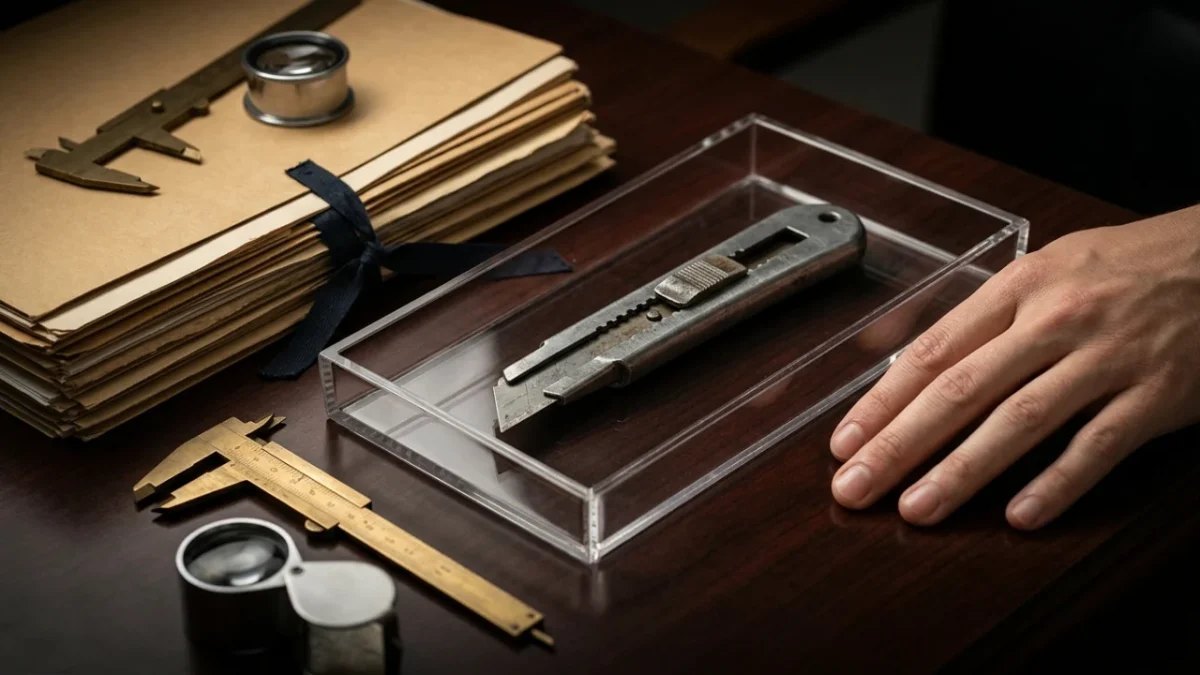
Forensic examination of sharp-force trauma requires investigators to establish a direct link between an alleged weapon and the physical wounds identified at autopsy. In cases involving edged utility tools, the collection process must demonstrate chain of custody and minute mechanical matching to withstand rigorous trial scrutiny.
The Forensic Reality of Edged Weapons and Crime Scene Evidence
When physical altercations involve utility blades or commercial cutters, crime scene technicians treat the recovered instruments as high-priority physical exhibits. The Christa Pike evidence established during her 1996 trial in Knox County Criminal Court centered on intense physical violence, requiring investigators to match recovered cutting edges with trauma patterns documented by medical examiners.
Every industrial blade possesses distinct manufacturing flaws, microscopic nicks, and wear marks that transfer distinctive striations to biological matter or secondary surfaces. Defense teams and prosecutors scrutinize these physical markers to verify whether a specific instrument inflicted fatal trauma or if secondary implements were utilized during the offense.
Toolmark Analysis and Trace DNA Recovery
Forensic laboratories process recovered utility tools through specialized physical and biological examinations:
- Latent print isolation: Technicians dust casing handles and deployment sliders where skin oil concentrates before chemical reagents are applied.
- Biological trace extraction: Blood and tissue frequently lodge in the internal recess of sliding blade housings, sheltering DNA from outdoor environmental exposure.
- Striation comparison: Ballistics and toolmark examiners press recovered blades into comparison media to compare microscopic grooves against cut cartilage or bone tissue.
- Residue profiling: Foreign particulates trapped within mechanical joints provide geographic links to the specific site where the instrument was deployed.
A common mistake in forensic practice is assuming a sharp instrument carries DNA only on the exposed edge, whereas the locking track and internal slide mechanism often hold the most resilient biological evidence.
From Knox County to Chancery Court: Evidence Preservation Rules

Physical items from capital cases do not lose their legal weight after sentencing concludes. While the original 1995 murder investigation relied on the recovery of physical weapons and biological samples, evidence management in the Pike case expanded into uncharted procedural territory following recent events at the Riverbend Maximum Security Institution in Nashville.
After Pike survived two doses of pentobarbital during an execution attempt, legal attention pivoted back toward strict evidence impoundment. Chancery Court Judge I’Ashea Myles directed the state to maintain comprehensive documentation and physical materials tied to the proceedings.
Tennessee Department of Correction needs to save evidence including anything that was in the actual room.
This judicial directive reflects standard chain-of-custody protocols established in criminal trials, where failure to secure physical items can permanently compromise subsequent legal hearings.
Debunking Myths Around Sharp-Force Weapon Evidence
Public discussions of capital trials often harbor significant misunderstandings regarding how utility cutting weapons function in courtroom proceedings versus dramatic depictions in true crime media.
Myth: Any sharp utility blade recovered near an incident provides an immediate, open-and-shut evidentiary match.
Fact: Mass-produced razor edges lack the unique rifling found on firearms, meaning positive identification depends on rare blade deformities, edge fractures, and high-quality DNA extraction from the inner mechanical components of the casing.
Myth: Post-conviction evidence handling focuses exclusively on retesting original crime scene instruments.
Fact: Modern capital litigation requires the preservation of modern institutional materials, medical administration lines, logs, and witness accounts whenever procedural or constitutional challenges emerge.
Evidence Classification in Capital Offense Cases
Understanding how physical objects function inside a criminal courtroom requires separating weapon mechanics from post-trial administrative records.
| Evidence Category | Primary Investigative Function |
|---|---|
| Sharp-Force Toolmark | Microscopic striation matching against tissue trauma to confirm the implement used |
| Handle Internal Recess | Recovery of protected biological trace material shielded from weathering |
| Chain of Custody Log | Verifying continuous legal possession from recovery through appellate review |
| Chancery Preservation Order | Mandatory retention of institutional items, medical supplies, and physical recordings |
Procedural Chain of Custody Protocol
To ensure physical evidence withstands scrutiny across trial and appellate phases, state agencies adhere to rigorous evidence management steps:
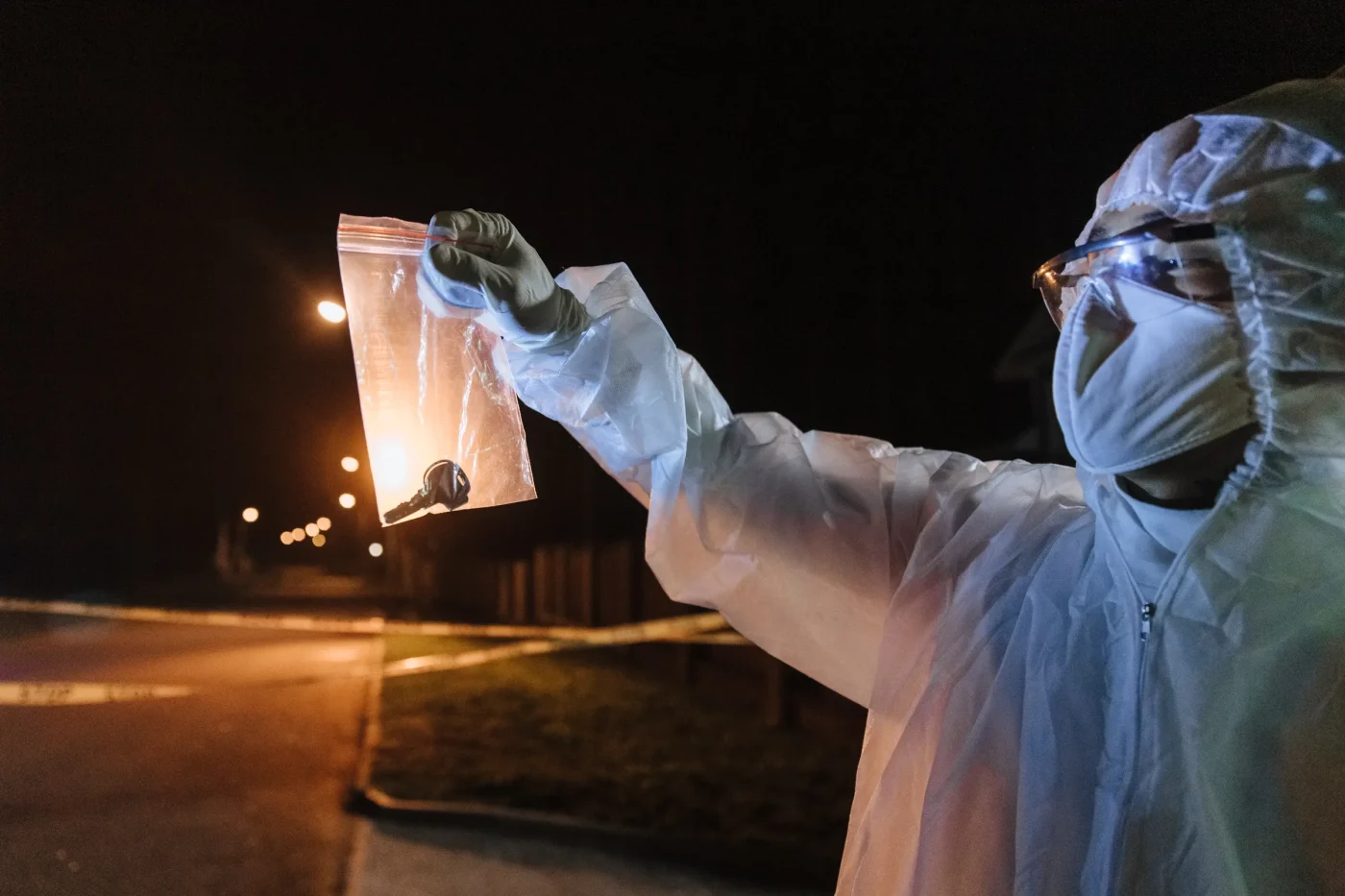
- Initial secure recovery: Documenting the spatial orientation of the object through measured forensic photography before physical recovery.
- Protective packaging: Securing sharp items inside rigid containers to protect technicians and prevent blade edge blunting during transit.
- Serial barcoding: Entering the exhibit into regional tracking databases to log every examiner who opens the secure seal.
- Judicial cataloging: Submitting verified inventory reports to presiding judges during evidentiary hearings.
💡 Legal protocols around weapon recovery and institutional evidence continue to evolve.
🔍 Forensic chain-of-custody integrity remains the decisive factor across every stage of capital litigation.
👇 Leave your thoughts in the comments below on how physical evidence shapes modern trial integrity.