
Tadaryl Shipp Parole Chances: Why Colleen Slemmer Accomplice Faces 2031 Delay

 The Perpetrators
Tadaryl Shipp is serving a life sentence with parole eligibility for his role in the 1995 Knoxville Job Corps murder.
- Tadaryl Shipp was denied parole for the 1995 murder of Colleen Slemmer and faces a wait until October 2031.
- State officials rejected his release due strictly to the severity and violent nature of the Knoxville Job Corps slaying.
- Shipp is serving a life sentence plus 25 years at the Northwest Correctional Complex in Tiptonville, Tennessee.
The parole board denied his petition strictly due to the severity and violent nature of the 1995 attack. Officials determined that releasing him would diminish the gravity of the crime despite his record of institutional rehabilitation.
Was this useful? Share your thoughts in the comments
 Hot right now
Where Is Shadolla Peterson Today? Inside the Freedom of Christa Pike’s Accomplice
Tadaryl Shipp parole chances remain firmly on hold until October 2031 after state officials rejected his initial petition for release, leaving the 49-year-old inmate locked in a five-year wait before his next formal review. Convicted of first-degree murder and conspiracy in the horrific 1995 killing of 19-year-old Colleen Slemmer, Shipp became eligible for release after three decades behind bars, only to have the request turned down due strictly to the severity of the offense.
The denial keeps him housed at the Northwest Correctional Complex in Tiptonville, Tennessee, where he has spent decades attempting to build a record of rehabilitation. Despite presenting certificates, letters of community backing, and educational credentials, the violent nature of the Job Corps slaying continues to outweigh institutional conduct in the eyes of state decision-makers.
The core barrier confronting Shipp is not his prison conduct, but the unalterable history of the attack itself.
Why Parole Was Denied: The Weight of Crime Severity

When the parole panel evaluated Shipp, the underlying facts of the Knoxville murder took center stage. In January 1995, Shipp, then 17, joined Christa Pike and Shadolla Peterson in luring Slemmer into a secluded wooded area near the Knoxville Job Corps center.
Over a span of 30 to 45 minutes, Slemmer was beaten, stabbed, and tortured. Shipp gagged the teenager, blocked her from fleeing on two separate occasions, and admitted to cutting a pentagram into her chest. The jury that convicted Shipp handed down a life sentence with parole eligibility, accompanied by an additional 25-year sentence for conspiracy to commit first-degree murder.
When his initial hearing arrived, the board determined that releasing him would diminish the gravity of the crime. Parole bodies regularly prioritize the circumstances of a homicide over prison programming when assessing violent felony convictions, creating an exceptionally high bar for release.
“It’s discouraging and disheartening. You still hold on to 30 years ago.”
Shipp voiced frustration during an interview on the Unforbidden Truth podcast, arguing that decades of personal reform were overshadowed by actions taken when he was a teenager.
The Co-Conspirator Divide: Three Teenagers, Three Outcomes
The legal paths of the three Job Corps students diverged sharply from the moment charges were filed in 1995.
Because Shipp was 17 at the time of the murder, he could not be subjected to capital punishment under prevailing juvenile sentencing laws. Pike, who was 18, received a death sentence and landed on Tennessee’s death row, where she recently survived a botched execution attempt involving two doses of lethal injection drugs.
Peterson, also 18 during the attack, took a cooperation agreement. While Shipp told police that Peterson took part in cutting the victim, prosecutors determined there was insufficient evidence of her physical violence, allowing her to plead guilty to accessory after the fact, serve probation, and quietly exit the penal system to run a cosmetology business.
| Legal Factor | Case Detail |
|---|---|
| Primary Inmate Facility | Northwest Correctional Complex |
| Recorded Aliases | Abdul Khalip |
| Primary Convictions | First-Degree Murder, Conspiracy |
| Cumulative Sentence | Life with Parole Eligibility plus 25 Years |
| First Parole Denial | October 2025 |
| Next Parole Hearing | October 2031 |
Rehabilitation vs. Public Record: The Institutional Reality
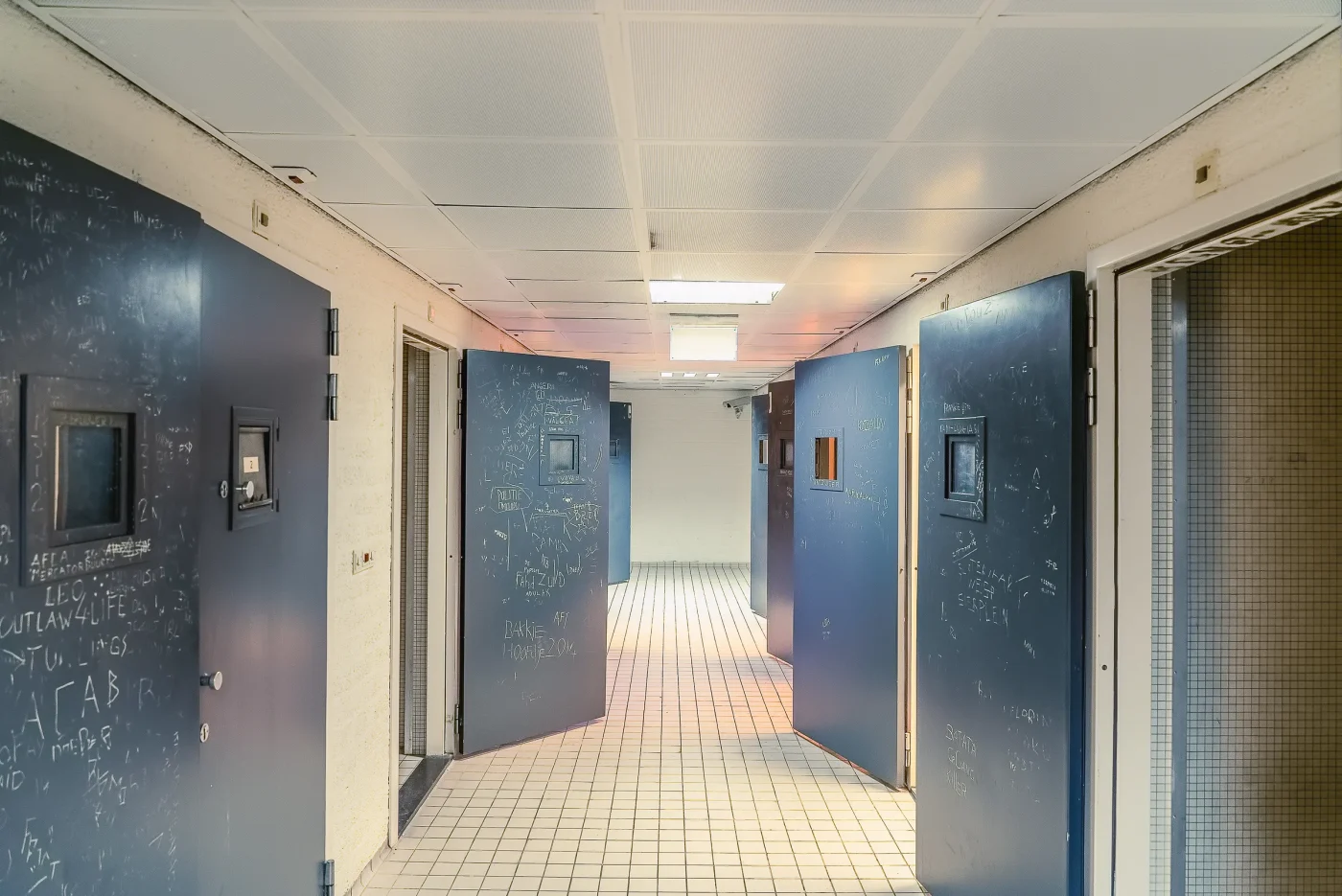
A widespread assumption among inmates and observers is that earning higher education credentials and maintaining clean disciplinary records virtually guarantees parole on the first eligibility date. In reality, state review boards exercise complete discretion, and no amount of institutional programming can legally expunge the brutal circumstances documented in trial transcripts.
Inside Shipp’s Case File
During his decades in state custody, Shipp pursued several avenues to present himself as a reformed individual:
- Higher Education: Enrolled in college-level courses while serving his sentence.
- Institutional Mentorship: Engaged in peer mentoring programs inside the facility.
- Creative Outlets: Produced and recorded music while incarcerated.
- Community Support: Gathered a significant collection of character references and support letters ahead of his hearing.
- Reentry Planning: Outlined future employment goals, including launching a food truck business upon any eventual release.
In addition to his academic and vocational efforts, prison records reflect his adoption of the name Abdul Khalip and his adherence to Islam, which formed the basis of a federal civil rights lawsuit he filed alongside fellow prisoners seeking halal dietary accommodations and religious oils. That lawsuit was dismissed in 2018.
Despite his efforts to showcase personal transformation, the brutal nature of the 1995 crime remains the defining factor. For the foreseeable future, Shipp will remain behind bars, with October 2031 serving as his next opportunity to challenge the state’s decision.
💡 Tennessee parole boards place immense weight on the nature of violent crimes regardless of prison achievements.
🔍 The 2031 hearing will determine whether five additional years of institutional compliance can overcome the severity standard.
👇 Leave your thoughts in the comments below on how parole boards should balance juvenile rehabilitation against violent crimes.